Zeeshan Rasool
Digital Experience, AI & Innovation
social
Crafting next-gen digital experiences, AI-native products & high-growth ventures
Hey, I’m Zee - part technologist, part product designer, full-time builder of things that (hopefully) make life a little better. I’ve spent the last decade architecting digital products and experiences that have reached over 4 million users and generated more than half a billion dollars in revenue for clients. Whether it’s a scrappy startup or an enterprise giant, I like turning big ideas into real, usable things. At present, I’m leading AI Innovation at Valsoft to create AI products and internal ventures for vertical market software (VMS) businesses, and also building 11X, a venture studio creating AI-native products around digital identity, marketing technology, and immersive events. Basically, if it involves AI, workflows, or reimagining how we connect and create, I’m in. Before this, I led the innovation program at Enchant through Enchant Labs, building marketing technology and ticketing platforms for one of the world’s largest (and most magical) holiday events. I also headed product and technology at Skyrocket Digital, helping brands across Canada and the US find their digital edge. My entrepreneurial journey includes co-founding Hangeh, a community platform for apartment living; Quupe, a peer-to-peer rentals marketplace; and Mrks Media, a product design and development agency for startups. Along the way, I’ve collected my fair share of late nights, “make the text bigger” requests, broken builds, and a few exits as well. I hold a Master’s in Digital Media from the Centre for Digital Media, where I was honoured with the Gerri Sinclair Award for Innovation. The program was a unique blend offered jointly by UBC, SFU, BCIT, and Emily Carr — a crash course in creative collaboration. Before that, I stitched together a Bachelor’s across Pakistan, Canada, and Germany, covering Computer Science, Innovation Management, and a few hard-earned lessons in jet lag. These days, I’m chasing my ikigai at the intersection of product, design, and technology. I believe the best digital experiences are rooted in empathy and driven by purpose — not just pixels and pipelines. Outside of work, you’ll find me at game nights, kicking a soccer ball, watching sci-fi, or seriously debating my next piece of chocolate like it’s a roadmap decision.
Subscribe to Newsletter
Send a Message
Work
Valsoft AI Labs
Valsoft's focus is to acquire and grow vertical software businesses that provide mission-critical solutions in their respective niche or market.
11X Ventures
As a venture studio, we build and invest in digital platforms and technologies that redefine possibilities and empower founders and businesses alike.
Bono AI
Bono AI calls you, captures your ideas through voice interviews, and turns them into ready-to-publish content for your website, LinkedIn, newsletter, and more.
Onliweb
Build your personal brand, publish content, monetize your time and grow your audience effortlessly. No-code platform for professionals, creators and innovators.
Enchant Labs
We build experiences & technology that creates magical memories for millions of people.
Hangeh
Your building's social network and marketplace. Meet your neighbours, make friends, exchange things, and live your best life.
Blog
Beyond the Hype: Practical AI for SaaS Founders Transforming Legacy Software
Most legacy SaaS products were not built for this moment. They were built for a world where software was a tool people learned to use, not a tool that learned to serve people. And yet, here we are: founders and product leaders sitting on years of accumulated functionality, a loyal customer base, and a growing pressure to answer one question honestly. How much of what was built still makes sense in an AI-native world? The answer is more nuanced than the market noise suggests. The real opportunity for SaaS founders is not a full teardown. It is something harder and more interesting than that. ## The Problem with "AI-Washing" Your Product There is a version of AI adoption that happens for the wrong reasons. A product gets a chat interface bolted onto its sidebar. A feature gets renamed with "intelligent" in front of it. A roadmap slides in an AI module that nobody asked for. The product looks updated. The underlying logic does not change. This pattern is everywhere, and it is costing founders more than they realize. It erodes trust with users who can immediately sense when a feature exists for a press release rather than a genuine use case. It burns engineering cycles on cosmetic upgrades. And it delays the harder, more valuable work of actually rethinking how the product should behave in a world where intelligence can be embedded into the workflow itself. The question is not whether to add AI. The question is where the product is genuinely slow, manual, or opaque today, and whether intelligence can make it meaningfully faster, more autonomous, or more legible. That is a product design problem, not a marketing one. ## Where Legacy Products Actually Hide Value Legacy SaaS products carry something most AI-native startups do not have: years of real usage data, battle-tested workflows, and deeply embedded customer relationships. That is a competitive asset, not a liability. The mistake is treating it as a constraint. Take a vertical SaaS product serving a specific industry. Over time, it accumulates an enormous amount of signal about how its users work, where they get stuck, and what decisions they make repeatedly. Most of that signal sits dormant in logs, support tickets, and usage patterns that nobody has ever systematically analyzed. The first wave of AI adoption for these products is not about building new features. It is about surfacing the intelligence that was always there. This is where practical AI transformation begins: not with a blank canvas, but with a forensic look at what the product already knows and what it should already be doing for users but is not. ## The Architecture of Incremental Intelligence For founders leading a legacy SaaS transformation, the framing that tends to work is incremental intelligence over total reinvention. It means layering capability in ways that compound over time, rather than betting the product on a single AI pivot. In practice, this looks like a few distinct moves. The first is automation of repetitive decision trees, where the product currently asks users to make the same low-stakes judgment calls over and over. The second is proactive surface area, where the product starts to notify, suggest, or act rather than waiting to be told. The third is contextual intelligence, where the product begins to understand the user's situation well enough to adapt its behavior rather than presenting the same interface to every user in every context. None of these are flashy. None of them will generate a launch-day headline. But each one compounds. A product that makes fewer demands on its users' attention, that acts before being asked, and that adapts to context over time becomes genuinely harder to replace. That stickiness is the real moat. ## What Founders Get Wrong About the Transformation Timeline There is a common miscalculation in how SaaS founders think about AI transformation timelines. The assumption is that the hard part is technical, specifically getting the models to work, the integrations to hold, and the infrastructure to scale. And yes, that part is hard. But it is rarely where transformations stall. The harder part is organizational and cultural. Teams that have built their identity around a particular product logic find it genuinely difficult to question that logic. Product managers who have defended certain UX decisions for years do not easily relinquish them. Customer success teams that have trained users on specific workflows resist the idea that those workflows should change. This friction is not dysfunction. It is a normal response to genuine uncertainty. What moves teams forward is a shared, concrete understanding of what the product should be able to do that it cannot do today, tied directly to what customers actually struggle with. When the transformation is grounded in customer outcomes rather than technology trends, the internal alignment follows more naturally. The AI becomes a means to an end that everyone already cares about, rather than an end in itself. ## The Founder's Role in an AI-Native Portfolio For founders operating within a portfolio of products, or building across multiple ventures simultaneously, the challenge compounds. Each product has its own legacy, its own users, and its own pace of change. The temptation is to find a single playbook and apply it uniformly. That rarely works. What works better is developing a clear-eyed diagnostic capability: the ability to assess each product on its own terms, identify where intelligence creates the most immediate leverage, and sequence investments accordingly. Not every product in a portfolio needs to be AI-native on the same timeline. Some will benefit from automation first. Others have a more urgent case for predictive intelligence. A few might be candidates for more fundamental rethinking. The founder or product leader who can hold that portfolio-level view, while still staying close enough to individual products to make credible decisions, is doing genuinely difficult work. It requires moving between levels of abstraction quickly, and it requires a tolerance for asymmetry: some products will move fast, others slowly, and that is not a failure of vision. It is a function of where the leverage actually lives. ## The Work That Compounds The SaaS founders who will look back on this period with the most satisfaction are probably not the ones who moved fastest or made the most dramatic announcements. They are the ones who asked better questions early, stayed close to their customers throughout, and made a series of compounding bets on where intelligence would create the most durable value. Legacy software is not the enemy of progress. In many cases, it is the foundation on which the most defensible AI products will be built, precisely because the hard work of earning customer trust, understanding domain complexity, and accumulating real-world usage data has already been done. The transformation is not a sprint. It is a design problem that rewards patience, intellectual honesty, and a willingness to keep questioning what the product is actually for. That kind of thinking does not go out of style, regardless of what the models can do next year.
SaaS Isn’t Dead. The Center of Gravity Is Moving. Micro SaaS Is the Groundwork for AI Agents
“SaaS is dead” is the kind of headline that spreads quickly but helps nobody. The rise of AI agents becoming mainstream is not the death of SaaS. What is actually happening is a redistribution of where value sits inside a SaaS product. A growing portion of the feature set is moving into the AI-driven layer. That shift matters because it changes how software is built, how it integrates with other systems, and how organizations create leverage. Treating agents as a bolt-on feature might produce an impressive demo, but it rarely leads to meaningful return. Treating agents as a forcing function to modernize the stack, APIs, and internal tooling creates an advantage that compounds over time. The more useful frame for founders, operators, and product leaders is simple: the agentic future is not something to buy. It is something a product and organization must be prepared to absorb. SaaS Is Not Dying. The Center of Gravity Is Moving. When people say SaaS is dead, what they usually mean is that traditional SaaS workflows are being disrupted. Classic SaaS assumes a sequence of actions: open the app, navigate a UI, fill in fields, run reports, repeat. Agents challenge this model by allowing users to express intent while software determines the steps. But the underlying foundation remains unchanged. Businesses still need systems of record, permissions, audit trails, billing logic, workflows, integrations, and reliability. That is SaaS. What changes is the interface and the distribution of capability. In practice, many SaaS products will evolve in a few key ways: The UI becomes less central for many tasks because agents orchestrate actions across modules Product roadmaps shift toward building agent-ready capabilities rather than adding more screens The moat becomes less about surface features and more about how clearly the product exposes actions, context, and constraints The companies that succeed will accept that the product is no longer just a user interface. It becomes an execution layer for agents. Real ROI From Agents Requires Modernizing the Core The AI agent concept is gaining rapid momentum. Adoption will likely accelerate over the next several months and become widespread within the next few years. However, one reality often gets ignored during hype cycles: agents do not produce serious return if the core product cannot support development velocity and safe integration. For legacy software and older stacks, this is where teams hit a wall. The limitation is rarely just the programming language. The real problem is architectural friction. Modernization should pursue two primary goals: Enable development velocity so agent-oriented capabilities can ship quickly Enable composability so agents interact with the product in controlled, reliable ways Development Framework If the stack makes shipping difficult, iteration will stall. Agents raise the bar for iteration because customers will expect software to adapt to their intent and workflows. AI can help with refactoring, but humans remain essential in the loop. Oversight ensures correctness, safety, and alignment with product strategy. Architecture and Migration Strategy Modernization is not an overnight rewrite when paying customers depend on the system. A thoughtful migration plan must account for dependencies, data, integrations, and operational risk. Treating agent enablement like a simple feature project is a mistake. It is a platform shift. API-First Is the Baseline. MCP Is the Multiplier. Even modern products must prepare for how technology will be used. In an agentic world, the primary consumer of a system is not always a human clicking buttons. Often it is an agent performing actions. That is why API-first design is foundational. However, another layer becomes essential once agents begin doing meaningful work: providing the context and action space that allows an agent to determine the right next step. This is where the concept of MCP (Model Context Protocol) becomes increasingly important. Traditional APIs assume a predefined endpoint and sequence. Agents require a structured way to understand: what tools exist what constraints apply what context matters what actions are permitted In other words, the model shifts from: “Here is an endpoint. Call it like this.” to “Here is the environment of actions you can take. Here is the context that matters. Here are the constraints you must follow.” That shift turns an agent from a chatbot into an operator. Micro SaaS Inside the Company Is Where Leverage Emerges One of the most important shifts underway is the rise of internal micro SaaS systems. In this context, micro SaaS refers to small internal tools built for a specific workflow inside a company, not external SaaS products. Most mid-tier and enterprise companies depend heavily on external SaaS tools to run operations: customer support platforms, knowledge bases, CRMs, marketing systems, and finance tools. Each department assembles a toolchain that mostly works but rarely fits the organization perfectly. What has changed is the cost of building software. Development has become significantly more accessible. Two implications follow: The build versus buy question matters less than it once did Ownership of workflow experience becomes a competitive advantage Organizations with engineering talent, R&D capacity, or strong product teams can now bring meaningful portions of SaaS in-house through small, focused internal tools tailored to their needs. These tools eliminate feature bloat, reduce dependency on vendor roadmaps, and encode workflows that match the organization. There is also a larger payoff. Internal micro SaaS systems become the foundation for implementing AI agents effectively. Agents perform best in structured environments where tools are well defined, permissions are clear, and data is accessible. Building internal micro SaaS is not just about saving subscription costs. It is about creating an ecosystem that agents can operate within. Micro SaaS: What This Looks Like Across Industries Thinking department-first helps make this approach practical. Across most organizations, the same pattern appears repeatedly: specialized workflows that are forced into generic SaaS tools. By building small, purpose-built internal systems for key functions, companies create structured environments where agents can safely access data, follow rules, and execute tasks. Below are a few examples of where this approach tends to create the most leverage. Customer Support in Specialized Industries Instead of relying on generic third-party chat and knowledge base tools, organizations can build internal support systems that reflect their domain - and connect directly to the systems where the real work happens. Vertical industries tend to run on specialized terminology, edge-case-heavy workflows, and operational constraints (compliance rules, approvals, service-level policies, customer entitlements) that off-the-shelf support stacks rarely model well. Purpose-built internal tools can encode those realities in the data model, the workflow engine, and the permissioning layer, turning “support” from a conversation UI into a controlled execution environment. This creates a much stronger foundation for agents, because the agent isn’t guessing what the business means - it’s operating inside a system that already defines the rules. Over time, this enables agents to: Draft replies using the correct domain language and tone, grounded in how the organization actually communicates Retrieve answers from the most relevant internal sources (policies, incident history, account context, product telemetry), not just public-facing KB articles Perform actions, such as escalations, credits, refunds, replacements, or internal task creation—through controlled, auditable access with clear guardrails and approval paths CRM Systems for Specific Segments Generic CRMs rarely match the nuances of specialized industries. An automotive company, for example, manages leads, inventory context, and customer lifecycle differently than a standard B2B pipeline. Pricing, availability, trade-ins, financing status, service history, and dealership-level routing all shape what “next best action” actually means. An internal CRM micro SaaS allows the organization to encode its own process - data model, stages, rules, permissions, and handoffs - without being constrained by a vendor’s default pipeline assumptions. Once that environment exists, agents can operate within it by updating records, generating follow-ups, summarizing account health, and coordinating next actions. They can also run automated follow-up sequences (e.g., post-test-drive nudges, missed-appointment rebooking, finance-document reminders, service due notifications) with timing and escalation logic that matches how the business sells. Because the CRM captures the right context, agents can produce personalized communications across email, SMS, and chat, tailoring messaging to vehicle interest, inventory changes, customer intent signals, and prior interactions, while keeping everything logged, auditable, and aligned to brand and compliance rules. Marketing and Content Operations Most marketing teams still run content operations on a patchwork of tools - one for requests, another for drafting, another for approvals, and yet another for scheduling and distribution. A focused internal tool can pull that workflow into a single system of execution by coordinating: content requests, briefs, and intake requirements drafting, editing, and review/approval workflows scheduling, publishing, and performance feedback loops Crucially, it can also centralize market and competitor research so content doesn’t start from a blank page. The system can continuously collect competitor launches, messaging shifts, keyword/category trends, and audience signals, then translate those inputs into content angles, briefs, and campaign concepts tied to specific channels. Within that environment, agents can turn research into first drafts, generate channel variations (blog, email, LinkedIn, landing pages, ads), and move work through the pipeline - routing for approvals, enforcing brand and compliance rules, and ultimately scheduling and publishing campaigns with clear accountability and auditability. Finance and Internal Reporting Finance teams often rely on tools that weren’t built for their actual reporting cadence, approval chain, or the day-to-day reality of closing the books. A lightweight internal system can formalize payables and invoicing workflows alongside contribution tracking, approval flows, and dashboards, so the work happens in one place with clear ownership, deadlines, and auditability. Within that environment, agents can triage incoming invoices, match them to POs/contracts, route exceptions for review, and trigger follow-ups (internally for missing approvals and externally for vendor/customer clarifications). They can also assemble period-end summaries, flag anomalies (duplicate invoices, unusual spend, aging payables/receivables), and prepare reporting packages that are consistent, traceable, and ready for leadership review. The First Step: Audit, Define, Then Build Preparing for an agentic future does not begin with an agent demo. It begins with understanding the internal tool landscape. A practical starting approach: List the SaaS tools each department relies on Define the actual requirements and use cases rather than vendor features Identify the highest-leverage tool to bring in-house first Build a minimal internal micro SaaS that performs that function well Integrate it with the rest of the internal ecosystem The goal is not rebuilding everything. The goal is selectively owning workflows where control creates immediate advantage. Every internal tool built becomes part of the organization’s future agent operating system. The Agentic Era Rewards the Prepared AI agents are promising, but the surrounding hype often misses the deeper shift. The companies that win will not be the ones that announce agents first. They will be the ones that modernize their core products, adopt MCP-first foundations, and build internal ecosystems that enable clean execution. The key takeaway is straightforward. Agents are not a feature. They are a new interface to execution. The organizations that benefit most will be the ones whose products and systems are designed to be executed upon. Continue Reading:
Why technical leaders struggle to build a personal brand and the AI companion that can fix the gap
The internet rewards volume, charisma, and constant visibility. Yet many of the most valuable builders in AI and product have never been trained to operate in an attention economy. They can ship complex systems, lead teams, and defend roadmap decisions with rigor, but freeze when asked a simpler question: what do you stand for, and who is this for? That tension is becoming a quiet tax on technical leadership. Not because expertise is missing, but because translation is. The distance between knowing something and communicating it has never been wider, especially as AI accelerates the pace of work and compresses the time available for reflection. For product and engineering leaders, founders, and architects, personal brand is not a vanity project. It is a delivery mechanism for ideas. It influences hiring, fundraising, partnerships, and trust. And it is often the most under designed part of an otherwise well designed career. ## The hidden mismatch: builders are optimized for truth, platforms are optimized for performance Technical careers reward precision. The best product minds learn to reduce ambiguity, separate signal from noise, and make decisions that can be justified. In that world, communication is a tool for alignment. Public communication is different. It is not judged primarily on correctness. It is judged on resonance. The platforms prioritize clarity, emotion, and repetition. People do not follow someone because they are right. They follow because they are consistently useful, understandable, and specific. This creates a mismatch that is easy to misread as a confidence issue. It is rarely about confidence. It is usually about operating systems. A builder’s operating system says: - Speak when the data is complete - Avoid overclaiming - Keep the message tight and defensible - Let the work speak for itself The platform operating system says: - Speak while the ideas are forming - Repeat the message in many shapes - Tell stories, not just conclusions - Put a recognizable human at the center For someone coming from product and tech, the second operating system can feel like sales and marketing. And when the identity is builder, not salesperson, it can feel inauthentic. That is the core friction. ## The real problem is not content creation. It is content discovery Most advice about personal branding starts at the wrong layer. It starts with formats: post more, record more, be on video, create a newsletter, repurpose content. Formats are downstream. Before the format, there is a harder question: what is worth saying, consistently, in a way that is uniquely owned? In the transcript, the struggle surfaces in a set of deceptively simple prompts: - What am I good at? - What should I talk about? - Who should hear it? - What are the goals? - What is the audience? This is discovery work, not posting work. It resembles product discovery more than marketing. Technical leaders often hold a lot of value in unstructured form: - Strong opinions that have never been named as opinions - Decision frameworks used internally but never externalized - Lessons learned that feel too obvious to mention - Mental models that are clear in practice but hard to explain on demand That last point matters. Many builders think in systems, not soundbites. They may also rely on context to retrieve memories. So when asked to tell a story or craft a viewpoint, the mind offers facts and fragments, not narrative. The result is a familiar loop: - An idea appears while working - It feels important but hard to package - The moment passes - The backlog grows, along with the frustration The issue is not a lack of ideas. It is a lack of extraction. ## Charisma is not the bottleneck. Clarity and cadence are The attention economy has convinced many technical founders that visibility requires charisma, especially on video. But charisma is often a proxy measure for something else: clarity under constraints. A founder can pitch and present in a company context because the container is known: - There is a product - There is a narrative arc - There is a clear audience - There is a purpose for the presentation Personal brand content lacks that container. There is no default deck, no obvious arc, no single call to action. So the brain interprets the task as risky. It is easier to stay factual and logical, because facts feel safe. This is why many product and tech leaders perform well in structured settings and feel uncomfortable in open ended public spaces. The discomfort is a design problem. What helps more than charisma is cadence. A repeatable system for turning real work into clear artifacts. That system can look like this: 1. Capture raw material during the week, not after it 2. Use consistent lenses to interpret the raw material 3. Publish in small units with a recognizable structure 4. Let repetition build familiarity and trust None of that requires being a natural performer. It requires an intentional pipeline. ## The missing role: a companion that interviews the expertise out of experts The most revealing idea in the conversation is not about content at all. It is about needing a strategic partner. Not a copywriter who produces posts. Not a social media manager who schedules updates. A companion that can interview, extract, and shape thinking. This points to a new category of support for technical leaders: a content co pilot that behaves like a discovery partner. The job of this companion is to help with three tasks that builders rarely have time to do alone. ### Task one: turn implicit knowledge into explicit positions Most experts carry their strongest ideas implicitly. They show up as instincts in meetings, quick judgments during tradeoffs, or a strong sense of what not to do. A companion can surface those ideas by asking questions that force specificity: - What decision did the team make this week that others might disagree with? - What tradeoff was accepted, and why? - What is a common AI product mistake that keeps repeating? - What would be done differently if starting again? The goal is not to produce hot takes. It is to create named positions that can be revisited and refined. ### Task two: build a set of lenses that make content predictable The hardest part of publishing consistently is the blank page. A companion reduces blank page time by creating lenses that act like prompts tied to real work. Examples of lenses that fit product and AI leadership: - Decision lens: why a certain choice is optimal under constraints - User lens: what people actually do versus what they say - Systems lens: how small changes ripple through a product - Execution lens: what makes shipping hard in practice - Integrity lens: what should remain human even in AI driven workflows With lenses like these, almost any week can generate content without forcing a personal performance. ### Task three: convert speech into publishable narrative without losing precision Many technical leaders communicate best by talking. The friction is turning talk into a coherent point of view. A companion can act as an interviewer, then apply structure: - Context: what situation triggered the lesson - Tension: what made the decision non obvious - Principle: the rule that emerged - Application: how to use it next week This structure respects factual thinkers. It does not demand theatrics. It produces clarity. ## A practical brand architecture for technical leaders who do not want to become creators A cohesive brand does not require constant reinvention. It requires a small set of consistent promises that match real strengths. A useful way to design that architecture is to treat it like a product. ### Define the product: the outcome the audience gets Instead of starting with topics, start with outcomes. For a product and AI leader, outcomes might sound like: - Better decisions under uncertainty - Clearer thinking about AI product tradeoffs - Practical frameworks for building, not just theorizing - Guidance on staying human while adopting AI When the outcome is defined, topic selection becomes easier. ### Define the ICP: not everyone who likes AI, but the people with the same constraints Many experts accidentally aim at the broadest audience. That creates generic content. Strong brands aim at people who share constraints. Constraints might include: - Building in product and tech, not sales led roles - Shipping with limited resources - Managing ambiguity and stakeholder pressure - Wanting authenticity without performative marketing When constraints match, content feels personal even when it is not about personal life. ### Define the message: three pillars that can carry years of work A durable brand usually has three pillars. Not ten. A sample set that fits the transcript themes: - Building AI products with rigor and human judgment - Translating complex technical decisions into clear narratives - Creating systems for consistent thinking and communication The specific pillars should be chosen based on where real credibility already exists and where energy remains sustainable. ### Define the distribution: choose the minimum viable visibility The pressure to be on video is real, but it is not mandatory. Different channels reward different strengths. Options that work well for factual, logical communicators: - Written posts that explain a decision or framework - Short threads that break down a concept in steps - Newsletter style essays that synthesize a month of learning Video can come later, if desired. The key is to stop treating visibility as a single format problem. ## What this means in the age of AI: the advantage shifts to those who can articulate judgment AI tools are making production cheaper. Writing, design, and editing are increasingly commoditized. As production becomes abundant, the scarce input becomes judgment: - Knowing what matters - Knowing what to ignore - Knowing how to decide when the data is incomplete - Knowing where humans must remain in the loop This is exactly what experienced product and AI leaders have, but often do not package. A companion that helps extract and articulate that judgment is not a productivity tool. It is an identity tool. It helps ensure that expertise does not stay trapped inside execution. ## The quieter win: personal brand as a reflection practice, not a performance There is a deeper point underneath the branding challenge. The desire for an assistant that can run a discovery session is a desire for structured reflection. Reflection is not soft. It is how strategy is formed. When a leader cannot remember their own insights later, it is not a character flaw. It is a symptom of working at high speed without a capture system. In that sense, publishing can become a lightweight reflection loop: - Work generates raw experience - Reflection turns experience into a principle - Publishing turns principle into an artifact - The artifact attracts better conversations - Those conversations improve the work That is a compounding cycle. And it aligns with how builders already think: iterate, ship, learn. ## Closing note: the future belongs to translators, not loudspeakers The next wave of technical leadership will not be defined by who posts the most. It will be defined by who can translate complex work into clear, trustworthy perspective. The strongest signal in a noisy market is not volume. It is coherence. A consistent set of lenses, applied to real decisions, expressed with precision. That is what a well designed companion can unlock: not manufactured charisma, but extracted clarity. And in an era where AI can generate endless content, clarity remains one of the few things that cannot be faked for long. ### The work behind the work A personal brand is often described as visibility. A more accurate description is legibility. When expertise becomes legible to others, opportunities follow naturally: the right collaborators, the right customers, the right problems. The goal is not to become a creator. The goal is to make real thinking easier to find, easier to trust, and easier to build on.
The Next Frontier of UX Is Not a Screen: Voice, Agents, and the Return to the Physical
Digital user experience, for all its sophistication, has quietly become predictable. The component libraries, the interaction patterns, the onboarding flows — they follow a grammar so well-established that AI can already write it fluently. In many ways, that is the point. A decade of collective design investment has produced a codified system of affordances and best practices so reliable that it has also become, in the truest sense of the word, commoditized. This is not a failure. It is a signal. When a layer of craft becomes reproducible at scale, it means the industry is ready to move. And right now, the evidence points to where UX is headed next: not deeper into the screen, but outward — into voice, into agentic systems, and into the physical world. ## How Digital UX Became a Solved Problem The rise of design systems changed everything. Shared libraries, standardized components, and reusable interaction patterns gave teams a common language and dramatically accelerated product development. What once required weeks of careful design deliberation became a matter of assembly. That efficiency was valuable, but it also narrowed the field of differentiation. AI has accelerated this further. Because large language models and generative tools were trained on the same accumulated design knowledge — the same flows, the same patterns, the same documented best practices — they can now replicate conventional digital UX with remarkable fidelity. The competitive advantage that once lived in a well-crafted SaaS interface has largely flattened. For product designers and builders, this creates an urgent question: if the screen-based layer is increasingly automated, where does meaningful UX innovation actually live? ## The Three Territories Redefining User Experience The answer, as it takes shape across the industry, falls into three distinct territories: voice, agentic systems, and physical interaction. Each represents a fundamentally different design challenge than what came before, and none of them have a mature framework to guide the work yet. Voice UX is perhaps the most immediately visible frontier. The technology has reached a level of fluency that would have seemed implausible just a few years ago. AI-generated voices are increasingly accurate, natural, and contextually aware. But fluency alone is not experience design. The real design challenge in voice is something much subtler: how do you make an interaction feel genuinely natural, to the point where the distinction between system and human dissolves? This is not simply a question of audio quality. It involves the micro-decisions that govern how a conversation feels — the length of a pause before a response, the difference between a moment of processing and a moment of genuine consideration, the rhythm of an exchange. These are things that humans calibrate instinctively in conversation but that have never needed to be formally specified. Designing for voice means turning intuition into intentional craft. Agentic UX operates differently. Where voice UX is about the surface of an interaction, agentic UX is about the architecture beneath it. Agents are increasingly capable of performing complex tasks, navigating workflows, and making decisions on behalf of users — often without direct human input at every step. The UX challenge here is less about what the user sees or hears in the moment, and more about how trust, transparency, and legibility are built into the system over time. As model context protocols and integration layers become more sophisticated, the question of how users understand and relate to what an agent is doing becomes central to the experience. This is a design problem that sits at the intersection of systems thinking, product architecture, and human psychology. Physical interaction represents the third territory, and in some ways the most ambitious. The shift to digital interfaces pulled experience away from the tactile world — from knobs, buttons, levers, and objects that could be touched and felt. Robotics and embodied AI are beginning to reverse that trend, reintroducing physicality into systems that had become entirely abstract. The design language for these experiences is still being invented, drawing on fields that rarely overlapped before: industrial design, motion design, spatial computing, and behavioral science. ## The Missing Framework Problem What these three territories share is a conspicuous absence: there is no established design framework to guide the work. The conventions that govern screen-based UX — spacing, hierarchy, navigation patterns, accessibility standards — took years to develop through collective iteration. Voice, agentic, and physical UX are starting closer to zero. This is simultaneously the industry's biggest challenge and its most significant opportunity. The designers and product builders who do the hard work of testing, iterating, and refining these experiences now will be the ones who eventually establish the standards that everyone else follows. The opportunity is in the specificity. Small decisions matter enormously at this stage. How long should a voice agent wait before responding? What signals should an agentic system surface to indicate that it is reasoning rather than stalled? How does a robotic interaction communicate intent before it acts? These are not abstract philosophical questions — they are practical design problems that require the same rigor and empiricism that built the screen-based design systems of the last decade. The analogy to design libraries is instructive. Those libraries did not emerge fully formed. They were assembled from thousands of small discoveries, debated, tested, and eventually crystallized into convention. The same process is beginning again, and the teams willing to engage with that uncertainty are the ones most likely to shape what comes next. ## Human Replication as the Design North Star Underlying all three of these frontiers is a single unifying ambition: human replication. Not in the uncanny valley sense of mimicry for its own sake, but in the deeper sense of designing AI-mediated experiences that honor the full texture of how humans actually communicate, collaborate, and interact. The goal, at its core, is indistinguishability — not to deceive, but to remove friction. When a voice interaction requires no mental adjustment, no accommodation for the system's limitations, no translation of human intent into machine-readable format, it has achieved something genuinely valuable. The experience becomes invisible, and the value it delivers moves to the foreground. This is a high bar. It demands that designers study human behavior with the same rigor that engineers apply to system architecture. It means understanding not just what people do, but why they pause, what they expect, and what signals they rely on to feel heard and understood. The science of conversation, the psychology of trust, and the sociology of interaction all become design inputs. The trajectory is clear. AI models are already moving in this direction, becoming better at nuance, context, and natural rhythm with each iteration. The design discipline will need to keep pace — developing the frameworks, the vocabularies, and the testing methodologies that allow teams to build toward this standard deliberately rather than by accident. ## Where the Work Begins The commoditization of screen-based UX is not the end of design — it is the beginning of a harder, more interesting chapter. The next wave of user experience will not be found in refining what already exists on a screen. It will be built in the spaces where human and artificial intelligence meet in new ways: through voices that feel present, through agents that act with legible purpose, and through physical interactions that restore a sense of tangible reality to digital systems. The designers, product architects, and builders who take this work seriously now — who are willing to operate without a complete map, who can find meaning in the ambiguity of an unsolved problem — are the ones positioned to define what UX means in the next decade. The frameworks that will eventually guide this field do not exist yet. That is not a gap to lament. It is an open invitation.
The Manager-IC Convergence: How AI Is Collapsing the Line Between Leading and Doing
There was a time when the line between an individual contributor and a manager felt almost sacred. One role was about doing. The other was about enabling others to do. The two lived in different lanes, and the system worked, more or less, because the separation made sense. That clarity is now quietly dissolving, and the organizations that understand what is happening next will have a significant advantage over those still drawing rigid org charts. ## The Old Model Was Built on Scarcity The traditional distinction between individual contributors and managers was, at its core, a solution to a resource problem. There is only so much one person can do. A senior engineer, a skilled designer, or an experienced product person could either spend their time building, or they could spend it directing others who build. Doing both at scale was impractical. So the system formalized the split: individual contributors own execution, managers own delegation, prioritization, stakeholder alignment, and review. This model made sense when the tools available to any one person were roughly equivalent. A manager could review a PRD, but writing a thorough one from scratch still took hours. Generating a stakeholder report on churn and activation metrics still required pulling analysts into the loop. The friction of doing was high enough that staying in the managerial lane was not a choice, it was a necessity. That friction is shrinking fast, and the implications for how teams are structured, how roles are defined, and how careers are built are only beginning to surface. ## A New Kind of Professional Is Emerging What is happening now is less of a role swap and more of a convergence. Managers are not becoming individual contributors again in the full sense, but they are reclaiming meaningful portions of the execution layer that were previously too costly to touch. At the same time, individual contributors are gaining access to capabilities that were once reserved for people with teams behind them, the ability to coordinate, synthesize, and deliver across multiple workstreams simultaneously. The result is a new kind of professional. Call them an ICM, an individual contributor manager. Or call them the augmented contributor. The label matters less than the underlying shift. What defines this person is not that they wear two hats, exactly, but that the boundary between the hats has become porous in a way that was not possible before. A product manager who previously relied on an analyst to pull together a weekly churn report can now point an agent at the same data sources and have a structured summary ready before the morning standup. A technical lead who once needed a writer to translate sprint changes into a polished changelog can now automate that output with a well-configured workflow. These are not trivial upgrades. They represent a fundamental change in what a single person, operating thoughtfully, can own and deliver. ## What This Looks Like in Practice The clearest signal of this shift shows up in the tasks that used to require delegation. The traditional managerial dependency chain, give a task to a report, wait for a draft, review, revise, re-review, was not inefficient because managers were bad at their jobs. It was inefficient because the cognitive and time cost of doing the work themselves was genuinely prohibitive. That calculus is changing. Agents can now handle the first-pass creation of structured documents like product requirements, status updates, and technical summaries. They can monitor dashboards and surface anomalies without being asked. They can draft the changelog, the release note, the stakeholder email. The manager who once had to choose between doing and leading can increasingly do both, not by working longer hours, but by delegating differently. The interesting parallel is happening on the other side of the equation, too. Individual contributors who previously had little visibility into organizational context, the metrics that matter, the stakeholder dynamics, the broader portfolio picture, are now better equipped to operate with that context in hand. The tools that help a manager stay informed are the same tools that can help an IC make smarter decisions about their own work. The result is a quiet expansion of agency at every level of the team. ## Why the Tech Sector Feels This First This convergence is not happening uniformly across all industries. It is most visible, and most accelerated, in software, product, and design, and there are structural reasons for that. These disciplines already exist at the intersection of knowledge work and tooling. The people in these roles are predisposed to adopt new tools quickly, and the workflows they manage, documents, data, code, design files, communications, are already largely digital and therefore automatable. There is also a cultural dimension. In the tech sector, the individual contributor track has always carried a certain prestige. Senior engineers and staff designers often wield more influence than many managers. The idea that a skilled practitioner could operate at an even higher level of autonomy, with agents amplifying their output rather than requiring them to climb into a management role to gain leverage, is genuinely appealing. And it is now genuinely possible. This does not mean the manager role disappears. What it does mean is that the value of a manager is increasingly less about being a conduit between work and results, and more about judgment, context, and the ability to ask the right questions of both humans and agents alike. The managers who thrive in this next phase will be the ones who understand what agents can do, how to direct them precisely, and when to trust the output versus when to dig deeper. ## The Shape of Teams to Come If individual contributors are gaining managerial leverage and managers are recovering execution capability, then the natural question is what this means for team structure. Flatter teams become more viable. Smaller pods with broader ownership become more attractive. The argument for large, layered hierarchies becomes harder to make when a well-equipped three-person team can do what previously required ten. This is not a utopian prediction. There are real limits. Agents still require thoughtful direction. The judgment layer, knowing what to build, why, and for whom, remains deeply human. The nuanced stakeholder relationships that determine whether a product gets funded or a strategy gets adopted are not things that can be delegated to a workflow. The work that remains stubbornly human is often the work that matters most. But the administrative and execution overhead that has always surrounded that human work is becoming thinner. And as it does, the professionals who learn to operate in this new dual mode, contributing with depth and leading with clarity, will carry an outsized advantage. ## The Roles Worth Building Toward The most interesting implication of all this is what it means for career development, especially for the next generation of practitioners entering the tech industry. The traditional ladder, IC to senior IC to manager to director, was always a simplification. It implied that leadership meant stepping back from the craft. That tradeoff is becoming optional in ways it never was before. The emerging path is not linear in the same way. It is less about moving away from execution and more about expanding the surface area of what one person can own and deliver well. The professionals who will be most valuable are those who can hold strategic context and still get into the work, who can set direction and also build the thing, who can lead a conversation with a stakeholder and then go configure the agent that will automate the follow-up. ## The Line Was Always Artificial The distinction between individual contributor and manager was never quite as clean as the org chart suggested. Great managers never fully stopped contributing. Great senior ICs were always influencing direction, even without a formal report. What is changing now is not the underlying nature of good work, it is the infrastructure available to support it. The ICM, whatever the name ultimately becomes, is not a new invention. It is the natural shape of an ambitious professional finally given tools that match their ambition. The question worth sitting with is not whether this role exists. It is whether the teams and organizations being built today are designed to recognize and reward it. Those that are will move faster, build better, and attract the kind of people who want to do both.
Personal branding for technologists is already happening, the real question is whether it is intentional
A personal brand is not a logo, a tagline, or a polished creator persona. It is the sum of what shows up when someone searches a name, scans a profile, or hears a recommendation in a room that person is not in. For technologists and product builders, that brand exists whether it is curated or accidental. A resume, a LinkedIn profile, an old conference bio, a GitHub footprint, even the way peers describe someone in hiring loops. All of it forms a narrative. The challenge is that most technical talent has been trained to treat narrative as noise. Build the thing, ship the thing, let the work speak. That approach used to be enough. It is less reliable now, especially in a market where careers are less linear, teams are more distributed, and opportunity often arrives through visibility rather than proximity. ## The brand is already there, but it is rarely consolidated Many people avoid the phrase personal brand because it sounds performative. The more useful framing is presence. Presence is the visible surface area of expertise. It includes what is said, what is shared, and what is consistently delivered. It also includes what is missing. Gaps get filled by assumption. Technologists tend to have plenty of raw material for a strong presence: - Hard won lessons from building and shipping - Opinions on tradeoffs, tooling, architecture, and product decisions - Practical patterns that others would benefit from - Deep context about an industry problem What is missing is not competence. It is consolidation. Without a system, insights stay scattered across chats, internal docs, sprint retros, and passing conversations. The work stays behind the scenes. That is why a personal brand for technical talent often feels like starting from zero, even when a decade of experience exists. ## Why technical roles do not feel urgency, until they do There is a structural reason branding feels optional for individual contributors. Many technical and product roles are not market facing. They are not required to post, present, or build an audience to be effective at the job. That creates a false conclusion: if it is not required, it is not valuable. The value shows up later, usually triggered by a change: 1. A job search that needs momentum and credibility fast 2. A desire to move into leadership, where influence matters as much as execution 3. A pivot into consulting, advising, or building something new At that moment, the cost of invisibility becomes obvious. Not because the work was not good, but because there is no public thread that ties it together. A thoughtful presence solves a practical problem. It makes it easier for the right people to understand what someone does, how they think, and what kinds of problems they are suited to solve. ## The real friction points are process, not motivation When technologists do decide to invest in their presence, the sticking points are predictable. First, starting is ambiguous. What should be said? Where should it live? How personal is appropriate? What is the balance between technical depth and accessibility? Second, positioning is hard without a lens. Terms like technologist or product person are too broad to be useful. A strong brand presence usually sits at an intersection: industry context, product domain, and a distinct way of thinking. Third, strategy and execution are expensive. A brand strategist, content strategist, freelancer, or agency can help, but the cost is often out of reach, especially when the outcome feels uncertain. Finally, publishing is a separate burden. Even if ideas exist, turning them into consistent posts across a website, newsletter, LinkedIn, X, and other channels requires coordination. That is operational work layered on top of an already demanding role. This is why many capable people never begin. Not due to lack of insight, but because the path from insight to output is full of friction. ## A better model is conversational, iterative, and personalized The most promising shift is to treat brand building like discovery, not performance. Discovery starts with conversation. The same way a strong product direction emerges from ongoing user conversations, a strong professional narrative emerges from repeated reflection over time. An AI creative partner can fit this model when it behaves less like a content generator and more like a long term collaborator. That requires a few critical capabilities. ### It cannot be solved in one session Voice and expertise are not captured in a single interview. They emerge across multiple conversations. Over time, patterns become clear: - What topics show up repeatedly - What tradeoffs matter most - What type of work creates the strongest opinions - What language feels natural versus forced This is how authenticity is preserved. Not by trying to sound unique, but by consistently reflecting what is already true. ### It needs the right inputs, not just a prompt For an AI partner to represent someone well, it must learn from more than isolated writing samples. It needs: - Personal story and career arc - Practical experience and lessons learned - Technical and product insights that can be shared - Tone, style, and communication preferences - The channels that matter most and the audiences on those channels That learning happens through guided discovery. The AI asks, listens, and builds a model of how the person thinks. ### It should connect the whole workflow, not just ideation Content ideation is not the hardest part. Shipping is. A useful system supports the full chain: 1. Discovery and positioning, defining what the presence stands for 2. Content strategy, deciding themes, formats, cadence, and channels 3. Creation, turning raw conversations into structured posts 4. Publishing, adapting the same idea for a website, newsletter, and social platforms When this is done well, the experience becomes simple: talk through the ideas, then let the system handle the translation into content that fits each channel. ## Thought leadership for technologists is documentation with intent Thought leadership is often misunderstood as having hot takes. In technical fields, the most credible thought leadership usually comes from calm clarity. It looks like: - Explaining why a decision was made, not just what was built - Sharing tradeoffs, constraints, and lessons without posturing - Teaching a framework that others can reuse - Showing how to think, not just what to think This is where documentation becomes leverage. A steady stream of documented insight can compound into bigger outcomes over time. It becomes a body of work that can support future career moves, speaking opportunities, or even long form projects like a book. The important shift is intent. Documenting with intent means choosing themes that match goals, choosing channels that match energy, and choosing a cadence that is sustainable. ## The quieter advantage of visibility There is a subtle benefit to a strong personal presence: it reduces translation loss. Without it, others must interpret someone’s value based on fragments: a job title, a company name, a list of skills. With it, the person’s thinking is visible. That changes the quality of conversations that follow. The goal is not to be famous. The goal is to be understood. A well built presence helps the right people self select in. Recruiters, peers, founders, collaborators, and communities find a clearer signal. That signal can create opportunities that would never appear through applications alone. ## A closing note on playing the long game For technical talent, personal branding works best when it stops trying to look like branding. It is closer to building a product. Start with a clear purpose. Iterate in public. Learn what resonates. Keep what feels true. Drop what feels performative. The most effective presence is not loud. It is consistent. Over time, the market rewards the people who can pair execution with articulation. Not because storytelling matters more than skill, but because the world can only value what it can see and understand. ### The takeaway: make it easier to be known for what is already true The work is happening anyway. The insights are being earned anyway. The brand exists anyway. The meaningful choice is whether that reality remains scattered, or becomes a coherent story that travels well across teams, companies, and future chapters. A personal brand for a technologist is not a new identity. It is the intentional packaging of existing expertise into a form that others can access.
The Human Premium Is Real, But We Are the Ones Giving It Away
There is a version of the future where everything that made a person irreplaceable, their taste, their judgment, their instincts, their craft, has already been handed over. Not stolen. Handed over. Willingly, gradually, and with tremendous enthusiasm. That is the quiet irony sitting at the center of the current moment in technology. The question of the human premium is not really about what machines can or cannot do. It is about whether people are paying close enough attention to what they are trading away before the door closes behind them. ## The Gap Is a Timeline, Not a Wall There is a tempting comfort in believing that certain human qualities are permanently out of reach for machines. Emotions. Sensory experience. Genuine taste. The argument usually goes that because these things are so deeply biological and lived, they cannot be replicated. That argument is not wrong, but it may be more time-sensitive than most people realize. Consider how quickly the perception of certain skills has shifted. Not long ago, understanding a design system, working with affordances, or architecting a software system at scale were considered deep, hard-won expertise. Today, these capabilities are increasingly within reach of well-prompted models. The pattern is consistent: humans document, teach, and codify their knowledge, and systems learn from that documentation faster than anyone expected. The same logic applies to taste and craft. What feels ineffable today has a way of becoming learnable once it is observed, recorded, and fed back into a system with enough scale. That does not mean the gap closes tomorrow. But the honest read is that it is a timeline question, not a permanent wall. ## The One-Way Door No One Is Talking About There is a useful mental model for understanding how people tend to relate to new technology: the one-way door. The first encounter is almost always positive. Something new arrives, it feels exciting, it solves a real problem, it creates genuine value. People walk through. And then, at some point, they look around and realize the door no longer opens from the inside. This is not a new phenomenon. The early internet was genuinely connective. It brought people together across distances, enabled new forms of communication, and opened up economic opportunity at a global scale. Then social networks arrived, and the incentive structure quietly shifted from connection to engagement. From meaning to metrics. From relationships to attention. The consequences, including rising anxiety, social isolation, and a generation of shortened attention spans, are still being understood. The concern with the current wave of automation follows a similar shape. The early experiences are real and valuable. Writing a product brief that once took hours can now be reviewed in minutes. A small team can move with the output of a much larger one. Autonomous agents can handle tasks that used to require dedicated coordination. These are not trivial gains. But there is a version of this trajectory where the acceleration becomes self-reinforcing in ways that are difficult to step back from, a hamster wheel built from genuine progress, running faster than anyone chose. ## Open Sourcing Human IP Here is the part that does not get discussed enough. Every time a professional feeds their thinking into a model, every time a creative uses AI to shortcut their process, every time a founder lets an agent handle a decision, they are contributing to a vast, continuous transfer of human intellectual property. Not in a legal sense. In a much more fundamental one. The things that made someone valuable, their unique way of framing a problem, their editorial instincts, their hard-earned sense of what works and what does not, these are being observed, learned from, and compressed into systems that can approximate them at scale. The craft that took years to develop. The taste that came from thousands of experiments and failures. The judgment that was only possible because of the relationships and contexts that shaped it. All of it is being used to train the very systems that may eventually outpace the people who trained them. This is not an argument against using these tools. It is an argument for doing so with awareness. The exchange is real. The value flowing in both directions is real. But the human who walks into that exchange without understanding what they are giving is not making a choice, they are just going along. ## What Actually Remains Irreducible Given all of this, the honest version of the human premium argument is not a list of things machines will never do. It is something more fragile and more interesting than that. It is about the quality of presence, genuine emotional investment, sensory experience, and the kind of relationship that only exists because two people chose to show up for each other, that cannot be replicated without the underlying reality. An AI can simulate empathy. It cannot feel the weight of a conversation with someone it has known for years and watched go through hard things. It can generate creative output at speed. It cannot have the accumulated life experience that gives certain creative choices their particular resonance. These distinctions matter less in contexts where efficiency is the primary value. They matter enormously in the contexts where humans actually care the most. The professional implication is that the people who will be most valuable in the years ahead are not necessarily those who use tools the fastest or output the most. They are the ones who retain, and actively invest in, the human qualities that tools cannot replicate. Real relationships. Developed taste. Genuine judgment. The willingness to sit with complexity rather than immediately reaching for an answer. ## The Awareness Tax Perhaps the most useful reframe is this: the human premium does not disappear because machines get better. It disappears when humans stop tending to it. Every generation of technology has required a version of this reckoning. The question was never really whether a tool could do something. It was whether people remained conscious enough of what they valued to protect it. The printing press changed what it meant to be educated. Industrial automation changed what it meant to do skilled work. The internet changed what it meant to be informed. Each time, something was genuinely lost, and something was genuinely gained, but the outcome depended heavily on whether people made those choices deliberately or just drifted. The current moment is no different, except perhaps in pace. The window for deliberate choices may be narrower. The capabilities are compounding faster. And the one-way doors are multiplying. ## The Thing Worth Protecting At the end of it all, the most important asset a person carries into the next decade of technology is not their technical skill set or their prompt engineering fluency. It is their sense of what is worth doing and why. Their ability to build trust with another person. Their instinct for when something feels right or wrong, not just optimized or not. These are not soft skills. They are the things that give everything else its direction. And the only way to protect them is to stay conscious of what they are, use the tools with clear eyes, and resist the particular temptation of the hamster wheel: the feeling that because you can go faster, you must. The human premium is real. But it requires human attention to stay that way.
The Agentic Agency Is Coming: Outcome Driven AI Agents Will Rewire How Growth Work Gets Done
Something has shifted in the agency world, and it is not a new design trend or another content framework. The shift is toward outcomes. For years, agencies have been purchased in stages. Discovery, then brand, then content, then website, then social, then campaigns. Each stage can be done well, and still fail at the one thing that quietly matters most: converting attention into real business. AI agents are about to compress that entire chain into a system that never stops learning. Not just producing assets, but measuring results, adjusting execution, and pushing the work toward clearer objectives week after week. That is the agentic agency model. And it is likely to disrupt the way individuals and small businesses buy growth in the next two years. The old agency value proposition is breaking Traditional agencies still sell a familiar bundle: strategy, creative, and execution. That bundle has value, but it is increasingly packaged around output. A new website. A refreshed identity. A content calendar. A set of posts. A campaign. Outputs are tangible, easy to approve, and easy to invoice. They also create a trap: the work can become optimized for delivery rather than impact. A business does not actually want a rebrand. It wants to be understood. A business does not actually want a new website. It wants higher-quality leads. A business does not actually want more content. It wants consistent demand, trust, and conversion. This is where the agentic agency model changes the center of gravity. The deliverable stops being the asset. The deliverable becomes measurable movement toward a goal. The agentic agency model: specialized agents, one shared brain The most useful way to think about an agentic agency is not one super tool. It is a coordinated team. In the same way a strong agency has specialists, an agentic agency will be composed of multiple agents that each own a part of the workflow. A practical system could include agents for: - Discovery and positioning: clarifying who the business serves, what it offers, and why it is credible - Brand definition: translating the business into tone of voice, audience framing, and creative direction - Content strategy and production: turning the positioning into repeatable narratives and channel plans - Web building and iteration: shipping pages, improving them, and keeping them aligned with the brand - Social channel management: publishing, testing formats, and learning what resonates - Conversion and growth: optimizing the path from attention to inquiry, purchase, or booked call The important detail is coordination. If each agent works in isolation, the system produces noise. If they share a single source of truth about the brand and objectives, the system starts producing consistency. That shared source of truth is the foundation. Without it, everything downstream becomes guesswork. Brand setup becomes the operating system, not the decoration Brand is often treated as aesthetics plus messaging. In an agentic agency world, brand setup becomes infrastructure. It is the operating system that governs every decision an agent makes. That setup includes: - Audience definition: who the work is for and what those people care about - Goals and objectives: what success looks like in measurable terms - Tone of voice: how the business should sound, and what it should never sound like - Creative direction: color tone and visual boundaries that protect recognizability - Offer clarity: what is being sold and how it is positioned When that is done well, every downstream agent can execute without reinventing context. When it is done poorly, the system multiplies inconsistency at scale. The website and content start sounding like different companies. Social posts attract the wrong audience. The conversion path becomes unclear. This is why brand setup is not a one-time exercise. It is the anchor that holds a learning system in place. The learning flywheel: execution that improves itself The biggest difference between a normal agency workflow and an agentic one is feedback. A linear workflow ships a site, then moves on. Posts are published, then replaced by the next batch. Performance is reviewed occasionally, usually too late to matter. An agentic agency is built to learn. The work is never finished because the system treats every channel as an experiment. A clear example is a website agent that owns a single page. Traffic arrives. The agent reviews behavior weekly. Where people click. Where they drop off. What sections hold attention. What language drives action. Then the agent runs improvements, including A-B tests, to push the page toward higher conversion. The same logic applies to social channels. Posts are published. Engagement is measured. Themes that perform well get repeated with variation. Weak formats get replaced. The system starts to understand what the audience responds to, then compounds that insight over time. This is what creates the flywheel. 1. Execute across channels based on a shared brand definition 2. Measure performance signals 3. Learn what drives attention and conversion 4. Feed that learning back into brand, content, and web 5. Repeat, faster than a human-only team can manage Agencies have always wanted this loop. Most have struggled to maintain it because it requires discipline, analytics maturity, and time. Agents make the loop cheap enough to run continuously. Trust is the first barrier, and it will not be solved by better UI The largest short-term challenge is not capability. It is trust. Humans struggle to trust what they cannot see. Agencies are often bought through relationships, reputation, and the comfort of having a team that can explain decisions. Agents change that dynamic. The work still happens, but it happens behind the curtain. In the early phase, adoption will be highest where outcomes are clear and feedback is visible. A business can accept an AI-managed landing page if conversion rates move. A founder can accept AI-driven content variation if inbound inquiries increase. Trust will grow as results become legible. That also explains why human involvement matters at the start. The human role: strategy, oversight, and standards In the first wave of agentic agencies, the human role becomes more specific and more valuable. Humans set direction. Agents run execution. That direction includes: - Defining objectives that are realistic and measurable - Building the initial brand setup that guides everything else - Approving boundaries: what is acceptable and what is off-brand - Reviewing performance at the system level, not the task level Instead of managing every deliverable, the human manages the operating model. This is a different type of work. Less production, more judgment. It also changes what a small agency can become. A team of two or three people can serve hundreds of clients if the agents carry execution and optimization. A single operator can manage far more accounts than would ever be feasible with traditional processes. The advantage shifts from having the biggest team to having the best system. What will differentiate agentic agencies when everyone has the same tools When tools become widely available, differentiation moves away from access and toward method. The lasting edge will come from how the system is designed and governed. Key differentiators will likely include: - Quality of the brand definition: how well the system captures the truth of the business - Measurement discipline: what the agents track and how quickly they turn data into action - Workflow design: how agents hand off context, avoid duplication, and stay consistent - Standards and taste: the guardrails that prevent generic output and protect credibility - Outcome focus: the clarity of what the system is optimizing for, and how it reports progress This is why the future is not simply agents producing more assets faster. It is agents producing better decisions faster. The road to autonomy: from supervised systems to fully autonomous agencies The trajectory is clear. It starts with human-led, agent-executed workflows. Then it moves toward systems that can run end to end with minimal intervention, the model behind fully autonomous agentic agencies. Examples in the market show the direction of travel, including references such as OpenCore as a signal of what autonomy might look like. The important nuance is pacing. Full autonomy will not arrive everywhere at once. It will show up first in areas where: - The goal is measurable - Feedback loops are fast - Risk is manageable - The cost of delay is high That often describes growth work: landing pages, content distribution, and conversion paths. As those domains become more reliable, autonomy expands. What this means for founders and small businesses buying growth The smartest buyers will change what they ask for. Instead of asking for a website, they will ask for a conversion system. Instead of asking for content, they will ask for an audience growth engine tied to a clear offer. Instead of asking for a rebrand, they will ask for positioning that produces demand. There is also a strategic advantage in starting early. An agentic system builds memory through performance data. The sooner the flywheel starts, the sooner it compounds learning across channels. That compounding becomes a moat. Not because competitors cannot copy the tools, but because they cannot copy the history. A different question to ask as this shift accelerates The agency conversation has been dominated by aesthetics, deliverables, and process. The agentic agency forces a sharper question. What outcome is being optimized, and how quickly does the system learn its way toward it? That question is uncomfortable for traditional models because it exposes the distance between activity and impact. It is also energizing because it opens a new path: growth execution that is continuous, measurable, and increasingly autonomous. The work becomes less linear, and more alive A linear workflow is tidy, but it is slow. An agentic workflow is messy in a productive way. It behaves like a living system. Brand flows into content. Content drives traffic. Traffic reshapes the website. The website reveals friction. The friction changes the messaging. The messaging changes the content. That loop is the real product. The winners will not be the agencies that produce the most. They will be the ones that build the strongest learning flywheels, grounded in a clear brand foundation, and relentlessly oriented around outcomes. The quiet takeaway The agentic agency model is not a prediction about tools. It is a prediction about expectations. When optimization becomes continuous and outcomes become the deliverable, the market will stop paying premiums for activity. It will pay for compounding results. That is the disruption. Not that agents can design, write, or build. That agents can learn, coordinate, and improve the work without waiting for the next project cycle. And once that becomes normal, growth stops being something a business visits occasionally. It becomes something that runs.
The AI Product Architect Is Becoming a Product Engineer: Turning Agentic Software Into Responsible Reality
Software teams are used to building systems that do what they are told. The next generation of products will do what they decide. Agentic, prompt driven software is changing the shape of product work. Instead of one to one API calls and tightly scoped workflows, products are increasingly composed of models, tools, and agents that plan, call functions, delegate, and adapt at runtime. The architecture is no longer just a diagram of services. It becomes a set of decisions about behavior. That shift creates a new center of gravity in product building: the AI Product Architect. Not a title for org charts, but a practical role that bridges vision and execution when the system can act on its own. The work blends product design, usability, technical architecture, analytics, and governance into a single discipline. It is also why the role is starting to look less like a classic architect and more like a product engineer who can both shape the concept and build it. ## The new product surface area: from endpoints to behavior Traditional product architecture assumed predictability. A user clicks a button, a request hits an endpoint, a response returns. Even complex systems remained deterministic enough to reason about with conventional specs. Agentic systems expand the product surface area in three ways. First, intent becomes an interface. Users increasingly express goals in natural language instead of navigating fixed screens. That changes how requirements are captured: less about fields and flows, more about the range of intentions a product must support safely. Second, orchestration becomes a core feature. When agents can chain tools, call services, and decide next steps, orchestration logic is no longer hidden infrastructure. It becomes product behavior that must be designed, tested, and governed. Third, the failure modes become less obvious. The product may not fail loudly. It may succeed in the wrong way: taking an action that is technically allowed, but contextually unsafe or reputationally costly. This is where product architecture stops being only about what the system is, and becomes equally about what the system is allowed to become in the hands of a user prompt. ## Why the AI Product Architect exists: bridging demand and build in real time The strongest product teams have always translated market demand into buildable systems. Agentic AI compresses that translation cycle and raises the cost of ambiguity. An AI Product Architect operates at the seam between two questions that can no longer be separated. What should be built: the use case demand, the customer job, the constraints, and the outcomes that matter. How it should be built: the model strategy, the agent design, the tool and MCP style integration approach, and the runtime controls. When software becomes prompt based, vague requirements become dangerous. A loosely defined user goal can translate into wide latitude for the agent. So the role is not only to understand demand, but to turn demand into bounded agency. A practical way to frame this work is to treat every agentic feature as a contract. The product contract defines what the system is expected to do. The agency contract defines what the system must never do, even if asked. The quality contract defines how performance is observed, measured, and improved over time. Without these contracts, agentic products drift into a familiar failure pattern: impressive demos, inconsistent outcomes, and growing operational risk. ## Guardrails are the new architecture, not an afterthought In classic systems, guardrails were mostly security and compliance layers. In agentic systems, guardrails define product integrity. Guardrails are not simply restrictions. They are a design decision about boundaries. They determine whether autonomy creates leverage or chaos. A useful way to think about guardrails is to separate can from should. Can the system do something: the technical capability. Should the system do something: the product and ethical boundary. Agentic products need both layers to be explicit. Technical capability without policy becomes an unbounded action space. Policy without enforcement becomes a document. Guardrails typically show up in four places. ### 1. Scope of tools and actions Agents should only have access to the tools needed for the job. Over provisioning tool access is the agentic equivalent of giving production credentials to every new hire. A disciplined architecture limits the agent to a minimal set of actions, and expands only when evidence supports it. ### 2. Constraints on reasoning to action Agentic systems often benefit from structured steps between reasoning and acting. The point is not to slow the system down, but to insert intentional checkpoints. For example, certain actions may require confirmation, additional validation, or a second pass evaluation before execution. The product decision is which actions carry unacceptable blast radius. ### 3. Policy and safety boundaries Restrictions on sensitive behavior are not only legal concerns. They are trust concerns. If users learn that a product can be coaxed into unsafe or inappropriate outputs, confidence collapses quickly. A product architect treats safety as a feature that enables adoption, not as friction. ### 4. Observability and auditability When systems can take actions, teams need visibility into what happened, why it happened, and how to reproduce it. Observability is a guardrail because it enables accountability. Without it, the product cannot be improved reliably and incidents cannot be diagnosed. ## Valuations and visibility: analytics as a first class design input A major misconception about AI product work is that evaluation is something to do at the end. In agentic products, evaluation is part of the architecture. The idea of valuations matters because it makes autonomy measurable. It provides visibility into how certain things are performing, not just whether they are running. Three evaluation questions shape strong AI product architecture. ### What is the product outcome being optimized A model can be accurate while the product fails. An agent can complete tasks while users feel uncertain. The metric must map to user value, not only to model outputs. Examples of product level outcomes include completion rate for a user intent, time to resolution, or reduction in manual steps. The key is that the metric should reflect the job the user hired the product to do. ### What is the behavior quality of the agent Agentic systems need behavior metrics, not just accuracy metrics. Behavior quality includes whether the agent stays within scope, whether it chooses the right tool, whether it escalates when uncertain, and whether it follows the designed decision boundaries. ### What are the risk indicators A mature architecture defines early warning signals. These signals might include repeated attempts to access restricted tools, patterns of hallucinated tool calls, high variance in outputs for similar prompts, or repeated user corrections. Valuations become the language that connects product intent to technical iteration. They help answer the most important question in AI product building: is the system getting better in the ways that matter. ## The skill shift: the role is folding into a product engineer There is a quiet structural change happening in teams. The traditional split between the person who designs the system and the person who builds it is narrowing. That is partly driven by the nature of AI work. Prompt based products evolve quickly. Prototypes become production. The feedback cycle depends on fast iteration across UX, orchestration, and evaluation. It is also driven by the evolution of coding models. As building becomes faster, the bottleneck shifts from implementation effort to decision quality: what to build, how to constrain it, and how to measure it. This is why the AI Product Architect increasingly resembles a product engineer. A product engineer is not only producing a concept for others to implement. The role can: - Shape the use case and the product experience - Make architectural decisions about agents, tools, and integrations - Implement or directly influence the build, especially in early stages - Define guardrails and evaluation loops that keep the system safe and improving The implication is not that every architect must become a full time coder, or that every engineer must become a product designer. The implication is that the role boundary is becoming porous. The teams that win will be the ones where translation loss is minimal. ## Balancing speed and responsibility without slowing innovation A common fear is that guardrails and ethics will slow down progress. In practice, the opposite tends to happen. Products without boundaries accumulate hidden debt. Incidents create reactive work, stakeholder distrust, and freezes on deployment. That is the slowest path. Responsible architecture accelerates innovation by making experimentation safer. Three principles help maintain speed while staying responsible. ### Start narrow, then expand autonomy Agentic capability should be earned. Begin with bounded tasks, limited tool access, and clear escalation paths. Expand autonomy based on observed performance and confidence. This approach produces reliable wins early and reduces headline risk. ### Design for uncertainty, not perfection Agentic systems will face ambiguous prompts and incomplete context. The product must handle that gracefully. Graceful handling includes asking clarifying questions, offering options, or escalating to a human when the confidence is low. This is usability design, not just model tuning. ### Treat evaluation as a release gate Every meaningful agentic feature needs a way to be judged. Not only with offline tests, but with live signals. When evaluation is built into the release cycle, teams can ship faster with fewer regressions because they know what good looks like and can detect drift. ## What to add to make the narrative more robust and thoughtful To make the AI Product Architect idea land with founders, AI professionals, and tech entrepreneurs, it helps to add framing that explains the why, the gap, and the path forward. ### The why: market forces behind the role The market is rewarding products that reduce operational friction, compress time to value, and feel conversational rather than procedural. Agentic systems are a direct response. At the same time, trust is becoming a competitive moat. Products that behave unpredictably will struggle to earn adoption in serious workflows. This is the environment where an AI Product Architect becomes essential: someone must own both autonomy and trust. ### The gap: what teams are missing Many teams have strong ML talent and strong product talent, but lack a single function accountable for the full loop. - Product defines the use case - Engineering builds the integration - ML tunes the model - Nobody owns the guardrails and valuations as a product system The AI Product Architect fills that gap by unifying the loop into one discipline. ### The path: a practical operating model A useful operating model is to run agentic features through a repeatable sequence. 1. Define the user intent and success criteria 2. Define the agent scope and tool access 3. Define guardrails and escalation paths 4. Ship a bounded version 5. Instrument valuations and observability 6. Iterate based on behavior, not only on output quality This gives teams a way to scale agentic capability without scaling chaos. ## A closing note on the future: products will be judged by their boundaries As AI becomes embedded in software, novelty will stop being a differentiator. Users will assume intelligence. What will stand out is control. The most trusted products will not be those that can do everything. They will be those that know exactly what they should not do, and can prove it through consistent behavior. That is why the AI Product Architect role matters. It is not a new label for an old job. It is the craft of turning autonomy into a product that feels safe, useful, and dependable. ### The memorable takeaway Agentic software does not only require smarter models. It requires clearer boundaries. And the teams that learn to architect boundaries as deliberately as they architect features will define the next era of product building.
Agentic Agile and the End of Traditional Product Cycles as We Know Them
For years, product development followed a familiar rhythm: discovery, design, development, QA, release, and support. Those stages still exist. What has changed is how they behave. AI is not simply accelerating individual tasks inside the product lifecycle. It is reshaping the granularity of work, redistributing responsibility, and changing how decisions are orchestrated across systems. The result feels less like faster Agile and more like a new operating mode altogether. This shift can be described as agentic workflow, or Agentic Agile. This is not a tooling upgrade. It represents a deeper change in leadership, craft, and systems thinking. Why agentic workflow matters now The industry has already undergone one major transition, from Waterfall to Agile. Agile normalized iteration and shortened feedback loops, but those loops were still designed around human planning, execution, and review cycles. Agentic Agile compresses that rhythm again by introducing mixed human and AI loops. These loops are shorter, more continuous, and more ordered, but only when they are intentionally designed. Where Agile optimized collaboration between people, agentic workflow optimizes how work itself is orchestrated across humans and machines. This distinction matters. Speed without alignment creates chaos. The real advantage of agentic workflow is not raw velocity, but the ability to compress validated learning while preserving craft, ownership, and trust. When implemented well, teams can move from hypothesis to production-quality output in a fraction of the time, without eroding confidence with users or stakeholders. How the product cycle changes under an agentic model The familiar stages of the product lifecycle still apply, but each behaves differently once agents are embedded into the system. In discovery and research, work that once required weeks of interviews, synthesis, and market analysis can now be augmented by agents that ingest transcripts, surface patterns, and highlight contradictions. Human judgment remains central, but the exploration space expands, allowing teams to test assumptions faster and uncover signals that might otherwise be missed. Planning and requirements shift away from static documents toward living artifacts. Agents continuously monitor user feedback, telemetry, and prioritization signals, drafting updates and surfacing edge cases as conditions change. The human role becomes one of clarifying intent, defining outcomes, and deciding what deserves attention now. Design and prototyping are where the shift becomes especially visible. In an agentic workflow, the boundary between designer and engineer continues to blur. Designers increasingly operate as design engineers, thinking in scenarios, constraints, and acceptance criteria rather than isolated screens. AI accelerates exploration and asset generation, but taste, strategy, and framing become more important, not less. Generated output only aligns when intent is precise. Engineering benefits from AI-assisted scaffolding, integration pattern synthesis, and early refactoring suggestions, dramatically compressing build time. The center of gravity moves away from line-by-line implementation toward reviewing tradeoffs, enforcing architectural guardrails, and ensuring security and observability are designed in from the start. Quality assurance evolves alongside this shift. Automated test generation, fuzzing, and bug triage expand coverage and reduce repetitive work. Human review remains essential for user-facing flows, edge cases, and areas where context and empathy matter. Release and communication begin to converge. Deployment pipelines become more declarative, triggered when agents verify contract tests and performance baselines. At the same time, release notes and changelogs can be generated directly from commit histories and agent summaries, bringing shipping and storytelling into the same loop. Support and iteration close the cycle. Support tickets, product telemetry, and NPS feedback feed agents that suggest fixes or product changes. These suggestions function as evidence to validate, not directives to blindly execute. Judgment remains a human responsibility. What this actually changes for teams and roles Much of the anxiety around AI centers on replacement. In practice, what emerges is role evolution. Capabilities that grow in importance include orchestration literacy, the ability to design, evaluate, and govern agentic flows rather than simply execute tasks. Outcome design becomes critical, as agents require clear success definitions to produce useful output. Review and craft do not disappear; they become more explicit and intentional. Distribution thinking also moves closer to the core of product leadership. Building quickly is no longer sufficient. Ensuring products reach, retain, and resonate with users becomes the real differentiator. New and transformed roles reflect these shifts. Design engineers bridge intent and implementation. Agent engineers focus on orchestration layers, monitoring, and governance. Outcome-oriented product leaders balance autonomy with control. Distribution-minded operators connect compressed product cycles to growth and retention loops. Moving from theory to practice Teams looking to adopt Agentic Agile benefit from starting with a clear map of their value chain. Documenting the path from idea to customer impact, including inputs, outputs, decision points, and failure modes, makes it easier to identify where agents can be introduced safely and where human judgment must remain dominant. Rather than assigning agents tasks, defining outcome contracts proves more effective. Each agent should have a clear definition of success, explicit data access boundaries, and known handoff points for human review. This enables trust without abdication. Early adoption works best when focused on repetitive, pattern-driven, and observable tasks such as interview summarization, smoke test generation, or bug triage. These early wins free up senior attention for higher-leverage work. Agents should be treated like services, not magic. Their decisions need to be logged, confidence exposed, and rollback paths designed in. Observability is what maintains institutional trust as systems become more autonomous. Over time, prompt and orchestration engineering become core technical investments. Prompts behave like code, and orchestration behaves like architecture. Consistency, versioning, and graceful fallbacks matter. In parallel, incentives and skill development must evolve. Teams should be rewarded for outcome ownership and system design, not just output volume. Despite increasing automation, it remains important to deliberately preserve moments of human craft, including design critique, architectural discussion, and direct user engagement. Measuring success without fooling yourself Speed is the most visible metric, but rarely the most meaningful. Safety and reliability come first, including rollback frequency and incident severity. Quality and user satisfaction follow, measured through retention and qualitative feedback. Only then does velocity, such as cycle time and time to value, complete the picture. Common failure modes include automating without a clear payoff, deferring governance and security concerns, and shipping faster than value can be communicated. Distribution and narrative remain critical. About the 10x claim, and the reality behind it Agentic workflow can deliver dramatic acceleration, but not universally. Tenfold improvements tend to appear in narrowly scoped, machine-friendly domains such as developer scaffolding, automated testing where coverage was previously low, or prototyping with well-defined direction. Complex domain decisions, nuanced UX tradeoffs, and regulated features compress far less. The multiplier depends on task structure and the level of trust designed into agent behavior. Leadership and organizational design in an Agentic Agile world Leadership shifts away from micromanagement toward orchestration. Outcomes and constraints matter more than step-by-step instructions. Teams benefit from regular forums to review agent behavior, failure modes, and policy decisions so learning remains continuous. From an organizational perspective, smaller teams with broader accountability tend to perform best. Each team can own a vertical slice from hypothesis to customer signal, including the agentic flows within that slice. Central platform teams can provide shared infrastructure, governance patterns, and prompt libraries to enable speed without sacrificing safety. What I think needs to happen next Agentic workflow is no longer theoretical. It is already embedded in how teams design, build, and support products. The opportunity lies in removing cognitive grunt work and refocusing human effort on framing the right problems, designing meaningful experiences, and building durable distribution moats. For product and design leaders, the path forward is incremental. Map the current workflow. Identify a small number of repetitive tasks to automate. Define clear outcome contracts. Measure the impact, and protect the human craft that remains essential. This shift is not about replacing expertise. It is about amplifying it. Looking ahead, the center of product work is unlikely to have fewer humans. Instead, it will be occupied by different ones: orchestrators of systems, custodians of quality, and storytellers of value. That is the shape of product leadership in an Agentic Agile world. Continue reading...
The Rise of the Design Engineer: Why UX Is Entering Its Next Iteration
I stopped opening Figma as often as I used to. After spending the last few years deep in product design, building design systems, component libraries, and workflows, something shifted. In the past month or two, I’ve only opened Figma a handful of times. And when I do, it’s usually just to sketch an idea quickly so I can pass it as instruction to an AI design or coding tool. What used to take hours of manual work now takes minutes once intent is clear. That change is not about losing interest in design. It’s about where the work is moving. Design has always evolved alongside its tools. We started with ideas on paper. Then came digital canvases, stylus-driven workflows, desktop software, and eventually browser-based, cloud-native tools. Each shift didn’t eliminate designers. It changed what designers were responsible for. I believe we are now entering the next iteration of that evolution, especially in UX and UI. And it requires a new kind of role. The Evolution of Design Roles If you look back 15 or 20 years, most digital experiences were created by graphic or visual designers. As the web matured, those roles shifted into web designers who worked closer to implementation. Over time, that split into UX designers, UI designers, and interaction designers. Eventually, many of those merged into what we now call product designers. Each transition reflected increasing complexity and tighter coupling between design and technology. The next iteration follows the same pattern. Today, it’s possible to create real, interactive, working product concepts without going through long handoff cycles. Not static mockups, but functional experiences that behave like real applications. When you combine UX thinking, UI craft, and interaction design with an understanding of how systems work, you arrive at something new. That is what I call the design engineer. Not someone who replaces engineers. Not someone who codes everything by hand. But someone who understands how to shape intent, constraints, and behavior well enough that systems can generate, iterate, and refine experiences quickly. That role goes by several names already. Some teams call it a design engineer. Others use titles like UX engineer, design developer, product engineer, or even frontend product designer. The naming will continue to evolve, just as it did with UX and product design. What matters is not the title, but the capability. Designers who can operate in this space will have disproportionate impact over the next few years. What the Design Engineer Actually Does At its core, the design engineer role is about orchestration. Instead of manually building every screen, the design engineer defines intent clearly enough that AI systems can generate usable outputs. That intent is refined through selection, feedback, and additional instruction. You are no longer designing a single artifact. You are steering a system. Prompting becomes a core skill here, but not in a superficial sense. This isn’t about clever phrasing. It’s about structured direction. Design prompting means guiding an agent toward the right experience, not just the right layout. Think PRDs and user-stories. This also changes how designers relate to code. You don’t need to write everything line by line, but you do need to understand what the system is producing, how it behaves, and where to intervene. Selecting elements, asking for revisions, shaping behavior, and understanding constraints become part of the design process. In my own work, I now treat design tools as a way to express intent rather than a destination. Figma has become an input mechanism (on rare occasions), not the final workspace anymore. The real work happens in how quickly an idea becomes something testable. The Expanding Tooling Stack This shift is being accelerated by a new generation of tools. On the entry and intermediate side, there are prompt-based, cloud tools that allow designers to experiment quickly. Tools like Vercel v0, Lovable, Replit, Bolt, and others let you describe what you want and iterate from there. They are not magic. They still require direction. But they dramatically lower the barrier to creating real concepts. The next layer is where designers start working closer to developer tooling. Editors like Cursor, Windsurf, and Copilot bring AI directly into environments where code runs locally. This is where I spend most of my time. You can talk to an agent, inspect code, make changes, and see results immediately. You gain far more control without needing to be a traditional engineer. There is also a deeper layer where engineers move toward design, working directly in terminals and infrastructure. Designers don’t need to live there, but understanding how the front end communicates with APIs and data systems is becoming increasingly valuable. What matters is not mastering every tool. It’s understanding how far down the stack you need to go to express intent clearly and validate ideas quickly. Why This Role Matters Now The biggest shift is speed. You can now take an idea from a discovery session and turn it into a working prototype in hours. Not a concept deck. Not wireframes waiting for approval. A real, interactive experience that can be validated or killed quickly. The traditional flow of requirements, wireframes, visual design, handoff, and development is increasingly out of sync with what is now possible. Time to first usable version matters more than early polish. V0 beats concept. This also enables leaner teams. When fewer handoffs are required and validation happens earlier, waste is reduced. Designers stop working in isolation. Engineers stop building the wrong thing. Teams learn faster. This is also why I believe traditional tools like Figma are heading toward the same fate as earlier incumbents. It’s not the first time this has happened. Photoshop, Fireworks, Sketch and then Adobe XD once dominated until better workflows replaced them. Figma changed the paradigm with a cloud collaboration tool and pushed them out. AI-driven design and generation is doing the same thing now. This isn’t something to fear. It’s an opportunity to rethink how we work, relearn core skills, and rebuild workflows around speed, clarity, and feedback. Concluding thoughts Every major shift in design follows a familiar arc. Tools change first. Roles adapt next. Value concentrates around those who evolve early. The design engineer is not a rejection of design craft. It is an expansion of it. Judgment still matters. Taste still matters. What changes is where that judgment is applied. Designers who learn to write intent, understand constraints, and orchestrate systems will design at a scale that manual workflows cannot match. They will move faster from idea to reality and make better decisions earlier. The future of UX is not that designers will code everything. Whether the role is called design engineer, UX engineer, design developer, or product engineer, the underlying shift is the same. It’s that designers will orchestrate code, systems, and AI with clarity and purpose. Continue reading...
Beginning the Year With Intention: Balancing Pace, Presence, and People
Happy New Year! The start of a year is a small but meaningful pause for me. I do not treat it as a magical reset or a cure for bad habits. Instead, it is a moment to slow down, look honestly at how life feels, and decide what deserves more care in the year ahead. I have learned that change does not require a specific date. A birthday, a quiet weekend, the end of a demanding stretch, or the start of spring can all serve the same purpose. What matters is choosing a window of time where intention replaces drift. Over the past several years, through growth, uncertainty, and a few humbling resets, I have settled into a simple planning rhythm that helps me stay grounded while still moving toward long-term aspirations. I share it here not as a system to copy, but as a way of thinking you can adapt to your own life and season. Why I still use the New Year as a checkpoint I am someone who benefits from natural pauses. The New Year creates one without needing justification. Conversations slow down, expectations reset, and there is social permission to reflect. I also know that life rarely cooperates with neat plans. Energy changes. Responsibilities shift. People we care about need us in unexpected ways. Because of that, my New Year planning is intentionally flexible. It sets direction without pretending I control the path. I think in long arcs, but I live in shorter ones. A year is long enough to create meaningful change and short enough to stay honest about progress. That balance keeps me from both overreaching and coasting. The three areas I return to To keep perspective, I look at life through three lenses: personal, professional, and community. This is less about achieving balance and more about maintaining awareness. These areas are not separate in practice. When one quietly erodes, it eventually shows up everywhere else, often before I consciously notice it. Returning to these three areas gives me a simple way to check in with myself. Not to judge or optimize, but to notice what has been neglected, what feels nourished, and where small adjustments might restore alignment. 1. Personal Personal goals are about how I feel in my body, how present I am with the people I love, and whether I am creating space for things that restore rather than drain me. This is the category I protect most deliberately, precisely because it is the easiest to postpone. When life gets busy or demanding, personal care is often framed as optional. I have learned the hard way that when I am tired, disconnected, or ignoring my own health, no amount of progress elsewhere feels grounding for long. I do use simple measures here, but gently. Time spent with family, quality sleep, consistent movement, time outdoors, reading without rushing, or steady practice of a skill I care about. These numbers are not about self-improvement or discipline. They help me notice patterns and surface quiet warnings before they turn into burnout or resentment. Some years are about growth and expansion. Other years are about recovery, steadiness, or simply staying well. I try to let these goals reflect the life I am actually living, not the one I imagine on a perfectly controlled calendar. 2. Professional My professional goals are about direction rather than constant acceleration, even though the two can sometimes look similar from the outside. I genuinely enjoy what I do. Because of that, it has always been difficult for me to see work as something separate from life. The pace, the speed, and the momentum energize me. They drive innovation, learning, and a sense of forward motion that I find deeply motivating. At the same time, enjoyment does not remove the need for intention. I try to stay mindful about how work fits into my life rather than letting it define it entirely. The question I return to is not whether I am moving fast, but whether the direction still feels aligned and sustainable. I write these goals down to stay honest with myself. Am I building things I believe in? Am I learning without burning out? Am I choosing work that complements the rest of my life rather than quietly overwhelming it? Work matters to me, and I take it seriously, but I resist turning progress into a measure of personal worth. Liking the pace does not mean ignoring the cost. 3. Community Community goals exist to remind me that life is shared. This includes friendships I want to be more intentional about, people I want to support without an agenda, and communities and networks I care about showing up for consistently rather than occasionally. Relationships, like anything else, benefit from attention and honesty over time. Sometimes this looks like mentoring or hosting. Other times it is as simple as checking in, making introductions, or being more present and responsive. I track this lightly, mostly to ensure it is not the first thing sacrificed when life gets busy. I have also learned to be mindful of which relationships I invest in most deeply. I value connections that feel grounding and forward-looking, and I try to give people and communities a fair chance to grow. At the same time, I am more comfortable stepping back when something consistently feels misaligned or draining. That, too, is part of maintaining a healthy and sustainable network. Over time, I have learned that community compounds quietly. The return is rarely immediate, but it shapes resilience, opportunity, and perspective in ways nothing else does. Turning intentions into daily life Plans fail when they live only in documents. They work when they fit into real days. For personal goals, I anchor habits to moments that already exist: mornings, evenings, meals, walks, or weekends. If something requires constant discipline to maintain, I assume the design is wrong. For community goals, I rely more on prompts than schedules. Gentle reminders to reach out, default openness to help when I can, and creating space for unplanned conversations keep relationships alive without turning them into tasks. The goal is not rigid consistency. It is presence. How I check in without pressure I no longer believe accountability needs to feel heavy to work. On a weekly basis, I ask simple questions. Do I feel more grounded or more scattered? More connected or more isolated? Am I moving in a direction that feels aligned? Monthly and quarterly reviews are more reflective. I look for trends rather than perfection and adjust when something feels out of sync. Some goals stay private. Others benefit from being shared with a small circle of people I trust. That balance helps me stay honest without turning life into a performance. When I miss a target, I adjust rather than judge. The aim is durability, not flawless execution. Structure with room for life Life is not predictable. Interruptions, demands, and opportunities will appear whether I plan for them or not. That is why I leave slack in the system. If one week goes sideways, it does not undo the quarter. Flexibility is not an excuse to drift. It is permission to adapt while staying anchored to what matters. A few simple rules help: If something does not support a longer-term direction, it is low priority If it cannot fit realistically into available time, it needs to change or wait If an opportunity meaningfully advances a long-term goal, I make room intentionally A few reminders I return to Fewer goals create more follow-through Clear intentions beat vague hope Missed targets are information, not failure Community is often the multiplier we underestimate Closing thoughts Planning is useful, but attention is the real currency. The purpose of this framework is not to run life like a company. It is to protect the things that quietly matter from being crowded out by the things that loudly demand attention. If you take one thing from this, let it be simple. Choose one personal or community commitment that would make the year feel fuller, not busier. Make it visible. Return to it gently and consistently. The year will unfold as it will. What matters is where you choose to place your care as it does.
From Websites to Voice: The Real Problem We Discovered While Building Onliweb
It’s been a full year, and honestly, a pretty meaningful one. As the year wraps up, I wanted to share where the startup I’ve been working on is heading, and why it looks different from where it began. What we’re building today is called Bono, but the story starts a little earlier. It started with a very practical problem. I kept seeing smart professionals spend weeks overthinking something that should’ve taken minutes. A personal website. Design choices. Layouts. What to say in an About Me. How to add a blog, a newsletter, a contact form. How to stitch together half a dozen tools just to look credible online. So the first product we built was Onliweb. Onliweb was designed as a quick website builder that simply did the job for you. No overthinking. It generated the structure, the copy, the pages, the forms, the blog, the newsletter, all in one place, so you could focus on your actual work instead of managing tools. Underneath that was a clear hypothesis. We believed that professionals already have valuable knowledge and expertise, and that many of them could share that through paid consultations, advisory calls, or engagements. So one of Onliweb’s core features wasn’t just the site, it was monetization. Onliweb would generate a consultation offering for you, let you set or adjust your rate, and connect it to an integrated calendar and payments. In theory, everything you needed to go from “I know things” to “people can book me” was there. People liked the idea. But something unexpected kept happening. The first thing most people did after their site was generated wasn’t adjusting pricing or enabling bookings. They scrolled straight to the content. Specifically, their first AI-generated blog post. They read it carefully, not as a visitor, but as themselves. And that’s where the real signal showed up. The feedback wasn’t about monetization. It was about voice, depth, and alignment. “This doesn’t quite sound like me.” “I wouldn’t explain it this way.” “The idea is there, but the thinking feels shallow.” The more we paid attention, the clearer it became. The real gap wasn’t monetization. It was ideas worth sharing. Not ideas as content or more posts, but content as faithful expression. Translating what’s in someone’s head into something written, structured, and worth sharing is far harder than adding a checkout button. That insight led to a bigger question. If people say they want their content to be authentic, why does so much of what exists online feel hollow? Part of the answer is how authenticity is measured today. We’ve quietly equated it with engagement. Likes, views, shares. There’s a fine line there. When engagement becomes the primary signal, depth often loses. Ideas get compressed. Nuance disappears. And over time, the internet fills up with fast, optimized content that looks productive but says very little. This is what we’re intentionally trying not to become. Bono is built on a different set of first principles. It starts with the belief that people think best out loud. That real ideas take time to surface. And that longer conversations lead to better content than clever prompts ever will. Instead of asking you to write, Bono talks to you. It listens. It asks thoughtful follow-ups. It captures the thinking that normally disappears after a meeting or a call. From there, it turns those conversations into long-form content that still carries your voice, your nuance, and your intent. The purpose is simple, but not easy. To empower people to share their ideas without the friction of tools, time, or resources, and without contributing to the AI slop we’re all trying to scroll past. That means fewer shortcuts. Longer conversations. Real ideas. Content that compounds instead of performs. All of this is being built under 11X Ventures, alongside a small but incredibly thoughtful team I’m deeply grateful for. Their care, taste, and patience are a big part of why we’ve been able to stay true to these principles as we build. We’re moving slowly and deliberately, learning from real usage and real conversations. If this resonates, I’d love for you to try Bono, or simply send me a message and share your thoughts. Wishing you a restful holiday season and a healthy, meaningful year ahead. Onwards, Zee
How Althra Incubator and Bono AI Are Shaping Vancouver's Next Wave of AI Startups
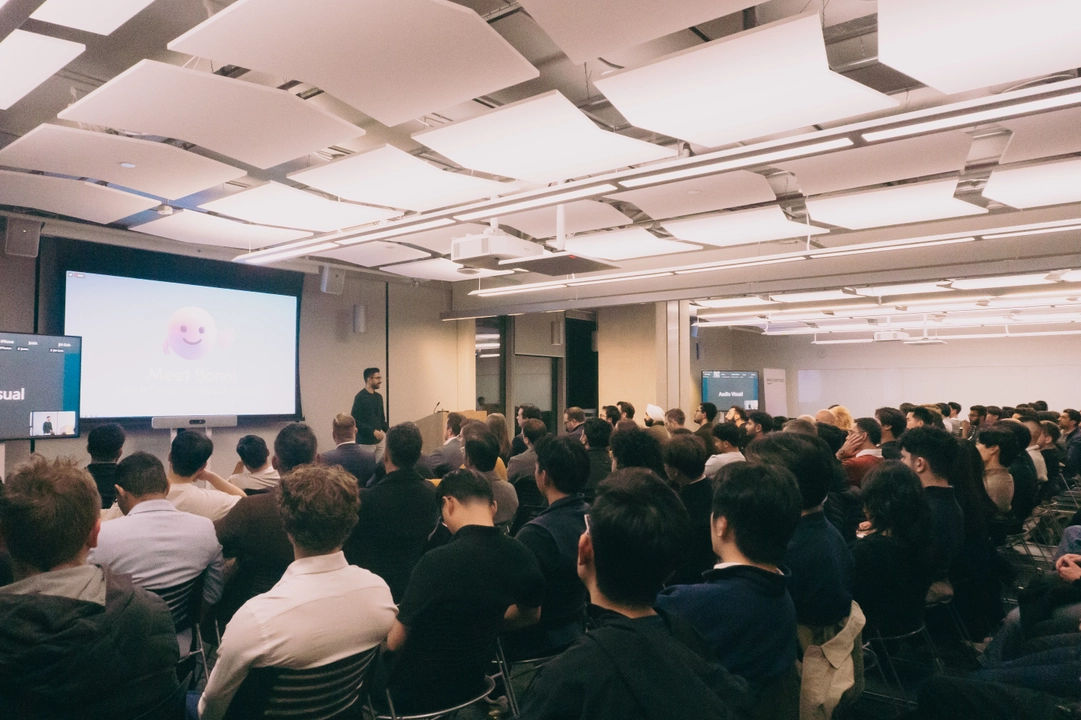
Over the past three months I have been embedded in a rare confluence of community, product work, and market validation in Vancouver. Two things stood out: Althra, a new in person AI native incubator that feels unlike anything I have seen in the city, and Bono AI, a voice first content strategist we built at 11X Ventures. Together they are the earliest signals of a deeper shift in how founders will build, ship, and own their narrative in an AI first world. This matters because founders and creators are drowning in a broken content workflow, and because the ecosystem that incubates them is the single most important lever for creating repeatable, high impact startups. I want to share what I learned from the cohort experience, how Althra validated the concept behind Bono AI, and practical lessons for founders and builders in Vancouver and beyond. Why Althra Matters: an in person incubator for an AI native era I have been in Vancouver for over a decade and have participated in many programs: UBC Ventures, SFU Venture Labs, Center for Digital Media, Launch Academy, Spring, and others. Those programs have tremendous value, but most have a heavy academic or remote emphasis. Althra arrived with a different thesis: create a physical collider where startup teams can iterate rapidly and learn from proximate founders who are building similar primitives. Althra is more than a space. It is a community designed to amplify daily interactions. The cohort I was part of had 10 startups, each building AI products across distinct domains. The energy was not just in scheduled mentorship hours but in the accidental conversations that happened over coffee, whiteboards, or during quick lounge demos. That density of interaction accelerates learning in ways remote programs struggle to match. A few concrete reasons Althra is influential: It is in person, which enables unstructured knowledge transfer that remote cohorts rarely replicate. It prioritizes AI native builds, which aligns mentorship, resources, and founder expectations around similar technical and product challenges. It leverages local partners for in kind resources and sales strategy support, lowering the friction of early GTM experiments. Special recognition belongs to Sanket, the founder who seeded this community, and to the Acquisition Group that provided space and sales strategy sessions. Those contributions turned a good idea into a functioning collider that allowed startups to move faster. The Application for Cohort 2 are open. Why content workflows are broken If you build a company, raise, or consult, you know how hard it is to convert an idea into content that moves markets. The current workflow fragments across research, audience definition, drafting, editing, publishing, and distribution. Many founders outsource parts of it, or stitch together multiple tools. The result is delay, dilution of voice, and a chronic shortage of output. Beyond logistics, there is psychological friction. Fear of posting, uncertainty about audience, and the cognitive cost of switching from builder mode into creator mode mean that many high value ideas never reach an audience. Content becomes a full time job by accident, not design. This is the exact problem Bono AI was built to address. Bono AI: a creative sidekick that meets founders in motion Bono AI is designed to replace a multi step workflow with a single conversational loop. Built by the 11X Ventures team, Bono is a voice first content strategist and marketer that meets founders where their ideas first appear: during a run, on a commute, while cooking or pacing between meetings. At a high level Bono does three things well: It captures ideas in real time through a phone call, reducing the friction of capture. It builds a persistent mental model of the user: goals, audience, tone, and priorities. That model allows outputs to be consistent and progressively aligned. It converts conversation into ready to publish assets, from long form posts to short form sequences for LinkedIn and newsletters, and can schedule publications on behalf of the founder. The design decision to make Bono voice accessible is deliberate. Creativity is often transient and tactile. When founders can speak an idea and have it immediately shaped into a content plan, the conversion friction drops dramatically. What previously took hours and multiple tools now takes minutes. How Althra validated and shaped Bono AI Althra was critical in validating the initial product hypothesis. The cohort provided early users who were simultaneously technical and product aware. That combination is rare and ideal for validating a voice centered content product. Validation took several forms: Rapid qualitative feedback from founders using Bono during real workdays. We learned when and how founders prefer to capture ideas, and what kinds of follow up they need. Mentors and advisors who helped refine the product's value prop and GTM approach. The sales strategy sessions facilitated by local partners were especially useful in discovering willingness to pay and real world publishing constraints. Early angel believers who invested and offered hands on guidance. Their willingness to put skin in the game accelerated product iterations. Althra also forced us to confront edge cases we would not have seen in a remote beta: noisy environments, partial ideas, and synchronous interruptions. Solving those made Bono more robust and better tuned to the founder's life. Lessons for founders and ecosystem builders From my experience over the past three months there are practical takeaways for both founders and people who design incubation programs. For founders building AI native products: Build in public signals early, but make publishing as low friction as possible. Your best ideas appear when you are not at a desk. Prioritize tools that capture context, not only content. A persistent model of user intent provides compound benefits over time. Focus on a single core workflow to reduce cognitive overhead. Bono succeeds because it narrows the problem to idea capture and conversion. For people designing incubators and community spaces: Invest in physical density. In person colliders produce more rapid idea exchange and more honest product feedback. Align mentors around the technical thesis of the cohort. If the incubator is AI centric, ensure mentors have real world ML and product experience. Provide non diluted resources. In kind support for space, sales sessions, and early GTM help startups survive the messy earliest months. Vancouver as a rising hub: Hollywood North to a potential Silicon Valley of the North Vancouver has always had creative energy. For a long time it was known as Hollywood North. What I am seeing now is a cultural and technical spark that could position the city as a major AI hub. The combination of local talent, rising infrastructure, and people who are willing to build in community creates a rare opportunity. That is not a prediction for tomorrow. It is a direction you can influence by building more colliders like Althra, investing in AI native mentorship, and creating durable pathways for founders to iterate in person. Concluding thoughts The last three months have reinforced my conviction that great products require both a great idea and the right environment to accelerate them. Althra provided the environment. Bono AI is an example of what can be created when founders, mentors, and local partners come together with a focused thesis. If you are a founder, creator, or advisor in Vancouver, consider what it would mean to build more physical colliders and to treat content as a product with repeatable workflows. If you want to experiment with a different content workflow, Bono is early stage and we are continuing to iterate with feedback from builders who live in the same messy, idea rich moments that create value. This is the beginning of a larger story for Vancouver and for AI native startups. I am grateful to the cohort, to Sanket and the Althra team, to our mentors and early investors, and to everyone who showed up to build. The next chapter will be defined by people who choose to meet ideas where they happen and to design systems that turn those ideas into signals that reach the right audience.

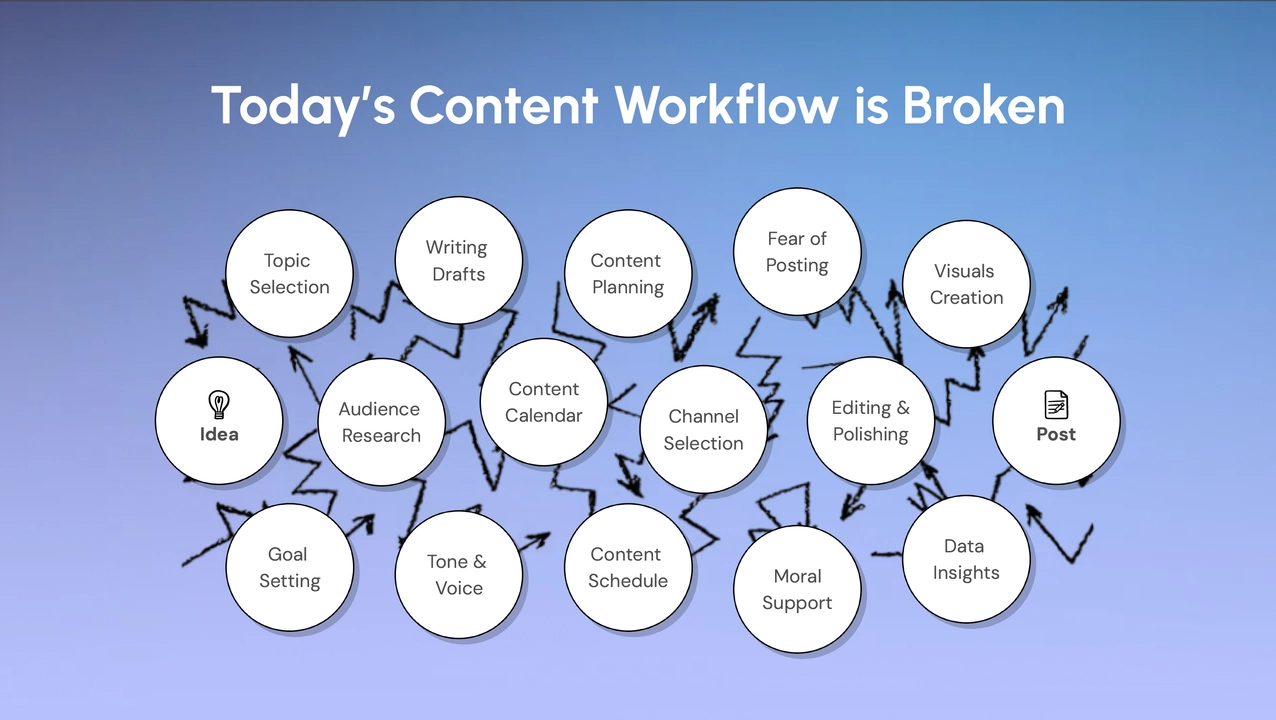
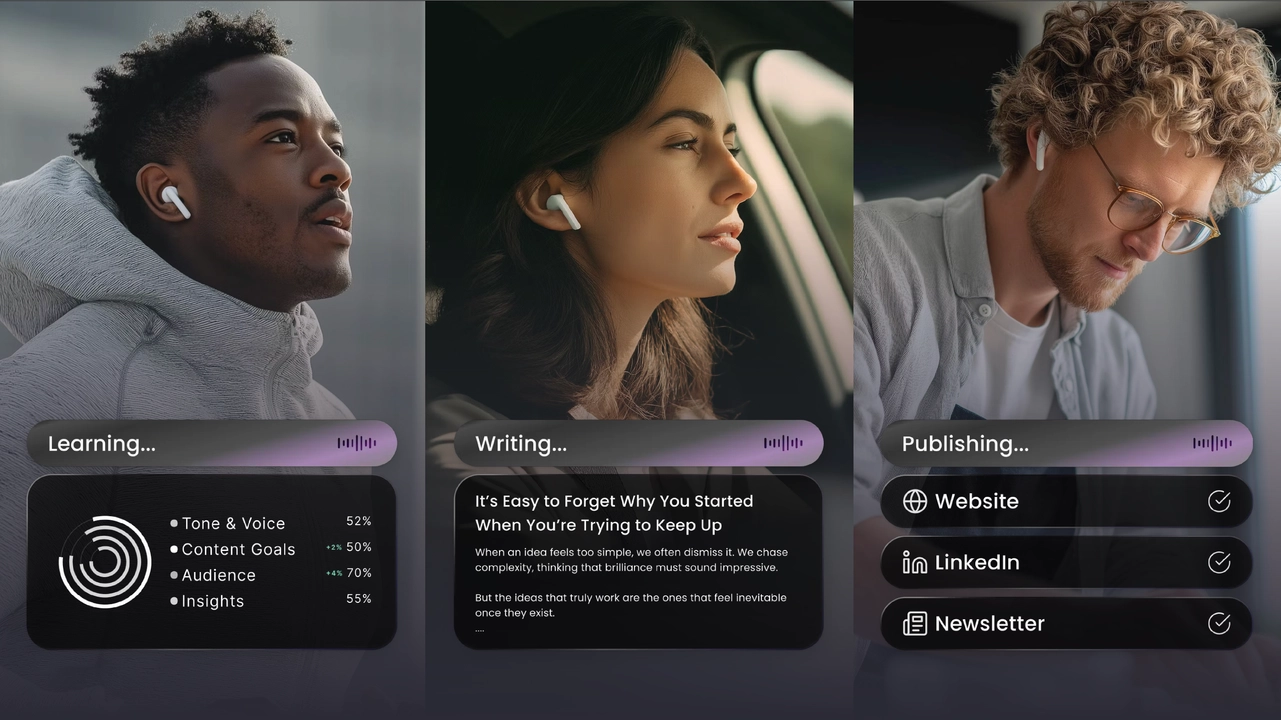
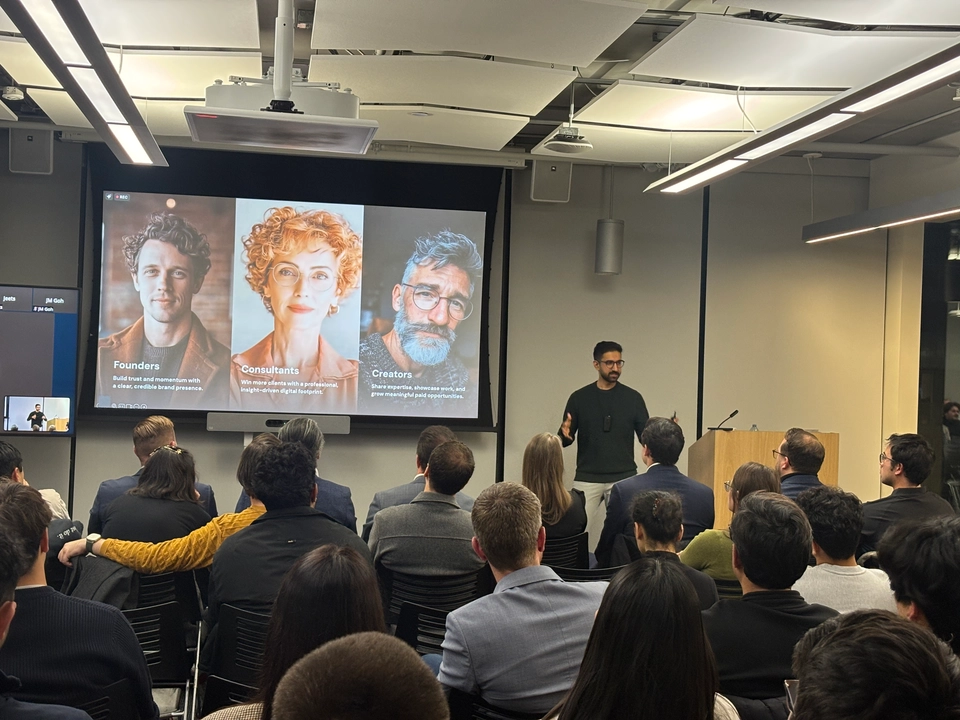
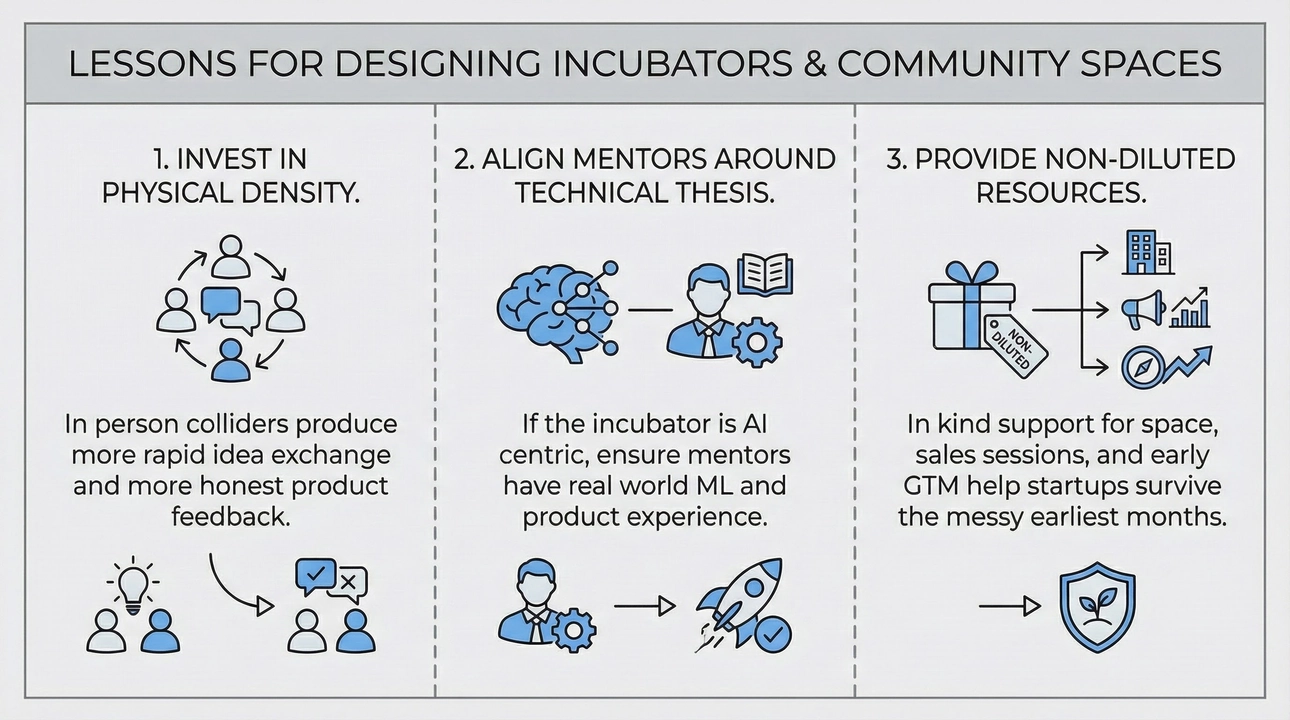
Bridging East and West in Product Design and AI Strategy: How Pakistani Roots and Canadian Experience Inform My Practice
I grew up in Pakistan and spent the first twenty years of my life surrounded by dense cultural narratives, then moved to Canada and spent the next decade and a half learning different systems and assumptions. That duality is not just personal history. It is the lens I use to design products, to architect systems, and to think about the future of AI. In this post I will explain how the depth of Eastern culture and the structure of Western systems combine to shape my approach to UX, product strategy, and AI-native product design. I want to give you practical ideas you can use, and a sense of why cultural fluency matters when you build tools that people will live with. The Two Cultural Lenses I Grew Up With Growing up in Pakistan taught me to read context. Systems there are layered with family expectations, rituals, and unspoken norms. That creates design constraints that are not visible at the surface level, but are decisive in shaping behavior. People make choices that balance harmony and chaos, community and individual aspiration. Designs that ignore these layers feel brittle or performative. Canada gave me a different training. Western contexts emphasize explicit rules, modular systems, and scalability. The structure is visible and repeatable. Products are judged by how predictable and auditable they are, and by how well they map to a clearly defined user journey. That clarity is powerful for building processes, teams, and engineering practices. Neither lens is superior on its own. The East teaches depth, tolerance for ambiguity, and systems that persist through relationships and habits. The West teaches clarity, repeatability, and an orientation to future states. My practice is to treat them as complementary tools rather than conflicting ideologies. How East and West Shape My Design Thinking When I approach a product problem I ask two parallel questions. What is visible and testable, and what is invisible but real. The visible layer is where Western practice excels. We map flows, define metrics, and iterate quickly. The invisible layer is where Eastern practice offers an advantage. We enumerate cultural affordances, anticipate unspoken constraints, and account for how practices evolve over time. This manifests in three practical habits I use across teams and projects: Start with stories. I collect narratives from real people before writing requirements. Stories surface invisible constraints faster than surveys or feature lists. Design with tolerance. Systems should tolerate variance in behavior. Eastern contexts taught me to expect messy, overlapping use cases. I design interfaces and data schemas that are resilient to those messes. Make governance explicit. From Western training I borrow governance models, version control, and clear ownership. That helps scale culturally sensitive design decisions across product teams and engineering organizations. Blending these habits helps me build for complexity without sacrificing speed. It also changes the role of design in product development. Design becomes a bridge between social expectations and technical feasibility, not just a deliverable. Practical Examples from Product and AI Work I have applied this approach in multiple AI and product initiatives. A few examples illustrate how the East meets West perspective becomes a competitive advantage. Example 1: Conversational AI in Multilingual Contexts When building agents that will be used across South Asia and North America, a purely Western user model breaks down. Users in Pakistan may expect indirect phrasing, deferential language, and contextual cues tied to family and community. I design conversational flows that allow for elliptical language and layered follow ups. We instrument conversations to learn implicit preferences rather than forcing explicit selections. At the same time we use Western-style metrics and A B testing to validate hypotheses quickly. The result is an agent that feels natural across cultures, and that can be iteratively improved with hard data. Example 2: Product Architecture for Resource Variance Eastern systems taught me to design for variance in access, connectivity, and device capabilities. I build layered architectures where core functionality is available offline or in low bandwidth, with progressively enhanced experiences for users with better resources. This reduces churn in markets where connectivity is intermittent and increases adoption. The Western emphasis on modular APIs and microservices lets us implement that resilience without compromising engineering velocity. Example 3: Strategy and Team Design When building teams I combine relational leadership with systems thinking. In practice this means investing time in building trust through mentorship and narrative alignment, while also establishing clear KPIs, reporting cadences, and decision rights. Trust reduces friction in ambiguous situations and systems reduce the cognitive load when scaling decisions across multiple squads. How to Apply an East Meets West Approach in Your Work If you want to adopt a similar hybrid approach, here are concrete steps you can take. Invest in ethnography early. Spend time in the environments where your users live. Observe rituals, language, and social flows. This will reveal constraints that prototypes alone cannot. Prototype for resilience. Design defaults that work in messy real world conditions. Allow for fallbacks, local adaptations, and progressive enhancement. Translate cultural insights into measurable hypotheses. Convert qualitative observations into metrics you can monitor so cultural sensitivity does not remain anecdotal. Create cross-cultural design reviews. Establish an explicit review loop where engineers, designers, and cultural informants validate assumptions before major releases. Teach teams to tell user stories. Make story gathering a part of sprint cycles. Stories help preserve contextual knowledge as teams scale and change. Use governance to codify exceptions. Where culture requires exceptions to generalized flows, codify those exceptions so they are visible, owned, and testable. These actions balance the depth you get from cultural fluency with the scalability you get from Western systems thinking. Industry Insights and Trends Worth Watching The industry is moving toward more context aware and agentic systems. As AI agents take on more responsibilities in product lifecycles, cultural context will become a non negotiable factor. Agents trained on single cultural priors will fail to generalize. Agents designed with cultural layers in mind will be safer, more trusted, and ultimately more effective. Another trend is the demand for resilient architectures that support edge conditions. Markets outside major Western cities will drive innovation in offline first design, adaptive UIs, and lightweight models. Teams that embrace cultural diversity in their design process will have a strategic head start. Finally, leadership that blends relational intelligence with systems discipline will outperform organizations that emphasize one at the expense of the other. This is true for hiring, roadmaps, and long term product stewardship. Concluding thoughts My experience living across Pakistan and Canada is not a personal anecdote to add texture to a resume. It is a working methodology that informs how I build products and lead teams. The Eastern depth I grew up with teaches me to attend to invisible constraints, to tolerate ambiguity, and to design for relationships. The Western systems I adopted teach me to make decisions explicit, to measure rigorously, and to scale reliably. If you are building products for a global audience, or designing AI systems that will touch diverse lives, investing in cultural fluency is not optional. It is a strategic lever. Start by collecting stories, design for resilience, and codify cultural exceptions into your governance. That combination will help you ship products that are both human and scalable, and that earn trust across contexts. I will keep sharing more examples from my work at 11X Ventures and from projects across South Asia and North America. If you are interested in practical tools for cross cultural design or agentic product development, I will write about specific frameworks and templates in future posts that you can apply directly to your work.
Charting the Path to Singularity: Exploration, Documentation, and the Agentic Future
I want to start with a simple observation about what makes us human. At a high level we do three things: we explore, we document, and we experience. Those activities have driven every era of progress we know, from voyages of discovery to scientific revolutions and cultural innovations. Today those same drives are being amplified by computing power, networks, and machine learning. That amplification is not incremental. It is reshaping how products are built, how organizations operate, and ultimately how collective intelligence forms. I believe that trajectory will bring us much closer to the idea of singularity than most people realize. In this post I will explain why, show how product cycles provide a practical map of that movement, and offer concrete observations and recommendations for builders and leaders. The three human drives and why they matter Exploration is our default state. We seek new places, new models, new hypotheses. Exploration creates novelty and the raw material for change. Documentation is how exploration becomes cumulative. By recording what we find we enable others to stand on our shoulders. Experience is what gives exploration and documentation meaning. Memories, stories, rituals and products are how knowledge becomes identity and motivation. When you look at technology through this lens you see a clear pattern: every platform that amplifies exploration, documentation, or experience increases the pace of change. The printing press documented more knowledge. The steam engine enabled new forms of exploration and production. The internet documented and distributed human experience at global scale. Each leap did not just add capability, it multiplied the speed at which humans could iterate on ideas. That multiplication is exactly what is happening now with artificial intelligence. Machines are not just faster calculators. They are amplifiers of those three drives. They help us explore by suggesting directions we might not have considered, document by capturing and indexing far more signals than any human team can, and enhance experience by personalizing and synthesizing content at scale. Moore's law and the compounding velocity of innovation Moore's law is not a prophecy about transistor counts alone. It is a proxy for an accelerating supply of computational capacity and cost efficiency. When compute gets cheaper and data flows increase, the feedback loops that power innovation tighten. Models train faster, experiments complete in hours not weeks, and new behaviors emerge from compositions of previously discrete systems. From a product perspective this means two things. First, the time horizon for validation shortens. What used to take quarters to learn now takes days. Second, the envelope of what is possible expands. Tasks that were previously out of scope because of complexity or scale become viable to automate or augment. That compounding is visible across industries. In health care researchers iterate on models that predict outcomes faster, in finance algorithmic strategies test thousands of scenarios in parallel, and in consumer products recommendation systems tune experiences in near real time. As compute continues to follow its historical trajectory, the delta between human decision speed and machine-augmented decision speed widens. That delta is the operational heart of the movement toward singularity as a practical phenomenon rather than a distant metaphysical idea. A micro-level view: how product development cycles evolved and what it reveals I want to describe a practical example from my work to make this tangible. The products I built a decade ago followed a waterfall or stage gate approach. We planned, built, and shipped. Feedback arrived late and changes were expensive. Agile introduced rapid iteration, reducing cycle time and enabling continuous delivery. Lean practices shortened cycles further with rapid experiments and smaller bets. But what I am seeing now feels qualitatively different. I call it the Agentic cycle. Where previous cycles optimized for speed and risk mitigation, the new cycle embeds an identity and agency layer within every component of the product lifecycle. Each sub-system, whether it is a feature, a data pipeline, or a decision process, starts to carry a persistent representation of intent and capability. That representation can be queried, composed, and delegated to other subsystems or agents through MCP integrations. Concretely, this shows up as: one, components with their own short term memory and preferences; two, continuously updating identity layers informed by user behavior and cross product signals; and three, orchestration layers that assign tasks to specialized agents rather than to monolithic services. The result is a mesh of faster loops where orchestration becomes the lever for exponential scale. Consider a time-boxed example. In a recent product iteration we used human-in-the-loop experiments to identify user intent signals that predicted conversion. Previously we would instrument, collect, analyze, then iterate over weeks. In our current approach a set of models continuously harvests micro signals, builds an evolving intent vector, and routes experimentation variants in real time. We moved from weekly sprints to live meta-experiments that refine themselves. The speed of learning increased an order of magnitude while human oversight shifted from low level tuning to high level governance. That is not just faster product development. It is a different class of product architecture where the product begins to approximate an agentic system that can explore, document, and optimize its own behavior. Understanding human intent at scale and the social implications Platforms like TikTok and short form video ecosystems are early examples of this new capability. They do not just distribute content. They model attention and intent with unprecedented granularity. The hooks are optimized through feedback loops that teach the system what people want to watch next. That learning is then used to surface content, extend sessions, and influence preferences. This is where the promise and the risk intersect. On the one hand, systems that understand intent can be liberating. They can reduce friction, surface opportunities, and democratize access to knowledge. On the other hand, the same mechanisms can shape decisions in ways that concentrate influence and reduce the diversity of future choices. AGI or general intelligence is not inherently hostile. It is an amplification of the tools we already use. As builders we must accept two realities. First, deployed intelligence will change the distribution of decision making power. Second, governance choices we make today can lock in pathways that become hard to reverse later. If an agentic ecosystem optimizes for engagement metrics alone, it will create feedback loops that privilege short term signals over long term wellbeing. Practical recommendations for leaders and builders I focus on practical next steps because compassion without structure is just rhetoric. Here are four principles I follow and recommend. Design for composability and identity. Build systems where components expose bounded capabilities and an identity so they can be orchestrated safely. This makes governance tractable and reduces catastrophic coupling. Shift human roles to stewardship. Human teams should move from micromanagers of behavior to stewards of objectives, ethics, and failure modes. Train people to ask high level questions about alignment, not to tune individual hyperparameters. Invest in transparent intent signals. Signal hygiene matters. Capture the features that explain why a system made a decision, not just the decision itself. This aids auditability and accountability. Emphasize pluralism in objectives. If every system optimizes a single metric, society narrows. Reward architectures that balance multiple objectives and that allow for human override and exploration. These are not just technical prescriptions. They are organizational imperatives. Culture, incentives, and product design must align if the systems we build are to serve collective wellbeing. Where singularity fits into this picture When people talk about singularity they often imagine a sudden event where machines outpace human intelligence in every dimension. I prefer to think in terms of trajectories and emergent capabilities. Singularity is less a switch and more a phase in which agentic systems become continuously better at aligning exploration, documentation, and experience at scale. The outcome is a world where many decisions we currently make collectively are mediated by systems that can aggregate data, predict intent, and propose optimized actions. That sounds dramatic, but it is also a predictable result of compounding gains in compute, data, and improved product paradigms. The real question is not whether it will happen but how we show up. Will we design systems that augment human agency and distribute opportunity? Or will we outsource too much of our collective agency and let a few architectures determine the shape of our future? Concluding thoughts I believe the movement toward singularity is an extension of our deepest human drives rather than an external shock. Exploration, documentation, and experience are being amplified by agentic systems that learn faster and operate at scales we could only imagine a few decades ago. That creates enormous opportunity and corresponding responsibility. For builders, the invitation is clear. Treat product design as a civic act. Build composable, auditable systems that preserve pluralism and human stewardship. For leaders, the task is to reconfigure incentives and governance so that the speed of learning does not outpace our capacity to interpret and guide it. We tend to underestimate what is possible in the long run and overestimate what is possible in the short run. If we keep that in mind, we can shape the trajectory toward a future that amplifies our best impulses as explorers, documenters, and experiencers. That is the practical path toward a singularity that serves humanity.
Embracing Imperfection: The Human Edge in AI-Driven Content
The digital landscape is rapidly evolving, and artificial intelligence is at the forefront of this transformation. As a founder deeply involved in the creation of AI-native products, I am witnessing firsthand how AI is becoming an indelible part of our conversations and industries. Yet, in this rush toward automation and data-driven solutions, we find a growing appreciation for the human elements that AI struggles to replicate - authenticity, imperfection, and emotional resonance. Imperfection as a Mark of Authenticity The rise of AI has triggered a noticeable shift in how content is perceived. Many individuals are quick to dismiss AI-generated content, identifying it as mechanical and devoid of personal touch. This trend reveals an interesting paradox: in an era where technological perfection is achievable, imperfection becomes a hallmark of authenticity and resonates more genuinely with audiences. People crave stories rich in human errors and nuanced perspectives, which AI typically lacks. Human in Control: Navigating AI Innovations The technological advancements of AI suggest a future where human creativity complements AI’s capabilities rather than being overshadowed. It’s essential for leaders and people adopting AI to maintain that human in control, ensuring that over 50% of creative output retains a distinctly human influence. This balanced approach not only makes technology our ally but also highlights the untapped potential of human intuition in accelerating AI's growth. This human-guided collaboration is vital across industries—whether in content creation, coding, or design. A Two-Way Conversation as Key to Innovation The future of AI-driven content lies in creating a synergy between AI’s efficiency and human insight. I like to think of AI as an extension of human creativity -,one that prompts new conversations rather than dominates them. It is through meaningful dialogues and deep one-on-one engagements, collaborations or workflows that we unlock the true potential of AI. In every project, I advocate for a system where AI assists in curating data while humans actively design the narrative, ensuring that outputs are not only efficient but also emotive and engaging. The Future of Human-AI Collaboration As an advocate for the imperfect human touch, I am convinced that embracing our imperfections and history will define the next era of AI content. This approach encourages a new metric or standard that distinguishes the ratio of human influence to AI involvement in content creation. Such measures not only add value to human-generated creativity but also invite audiences to appreciate the depth that human emotion brings to storytelling. AI is not a replacement but an empowerer, enabling us to elevate our narratives and reach broader audiences. In conclusion, by valuing the imperfect, human-driven narrative, we ensure that content remains relatable and compelling. As we navigate these changes together, I encourage you to share your thoughts, and join the dialogue on how we can innovate while staying true to our human roots.
Building a Future-Ready Innovation Team Stack for Modern Product Teams
Forming an innovation team that can effectively harness the power of AI-driven tools is more crucial than ever. At 11X Ventures, our goal has always been to create teams that think fast, collaborate seamlessly, and ship meaningful products, both for ourselves and for the clients we partner with. While many teams talk about tools, we think of them as part of a living system — a connected ecosystem that amplifies how we ideate, build, and iterate. This post explores the foundations of that system: our innovation team stack, how we integrate across tools, and the role AI plays in making all of it work smarter. (Note: this post focuses on the collaboration stack — I’ll dive into our dev and AI stack in a future post.) The Foundations of Our Innovation Stack An effective innovation team stack isn’t just a list of tools — it’s an intentional design for how people work together. At 11X Ventures, we’ve refined a system that balances clarity, speed, and creative flow across every layer of our work. Notion serves as our source of truth for product documentation. From PRDs and research briefs to decision logs and product strategy boards, it’s where context lives. The modular structure lets us link discussions, track hypotheses, and create alignment across product, design, and engineering. Linear is our command center for project management. We chose it over heavier platforms like Jira or Asana because of its speed and focus on the essentials — sprints, cycles, and issues. Combined with tight integrations to Slack and GitLab, Linear gives our PMs and engineers real-time visibility without overwhelming them with noise. Slack connects everything. Beyond daily communication, it’s our automation hub — pulling in notifications from Linear, GitLab, and Figma so everyone stays informed asynchronously. For instance, when a PR merges or a design file is updated, the relevant Slack channels light up automatically. It’s the digital heartbeat of our workflow. Figma powers all things design — from early explorations to production-ready UI systems. Its multiplayer nature allows product, design, and engineering to co-create in real time. Combined with Notion and Linear, it ensures design decisions stay connected to the bigger product narrative. GitLab houses our repositories and CI/CD pipelines. We rely on it for version control, continuous integration, and deployment, ensuring that everything from experiments to production releases moves fluidly and transparently. Cursor is our go-to AI-native IDE. It accelerates development through real-time code suggestions, refactoring, and documentation generation — freeing engineers from repetitive tasks and allowing them to focus on creative problem-solving. Each of these tools plays a clear role, but their true power comes from integration — the seamless data and context flow between them. Integration Tools: The Hidden Superpower Integrations are the connective tissue of our innovation workflow. Having Linear issues update automatically when code merges in GitLab or triggering Slack notifications when a Figma component is published keeps our entire stack alive. Instead of managing status updates, our tools communicate on behalf of the team. This not only saves time but also preserves flow — something we deeply value when working on AI-native products that demand both creative and technical focus. AI as a Workflow Multiplier Automation through AI has become a core principle at 11X Ventures. Whether it’s triggering next steps from code commits, generating documentation drafts, or surfacing action items from meetings, AI removes the micro-frictions that slow creative teams down. We also use AI within tools like Cursor and Notion to generate insights, summarize discussions, and even suggest experiments. It’s less about “using AI” and more about embedding intelligence directly into our process. The Future of Teamwork Looking ahead, we see innovation teams evolving into systems that predict rather than react — where AI anticipates blockers, proposes next steps, and nudges teams toward better decisions. Our stack is evolving in that direction: one where communication, creation, and code are interconnected through a layer of AI that makes collaboration proactive instead of reactive. It’s an exciting time to be building. For us at 11X Ventures, the goal isn’t just to adopt tools — it’s to design a stack that thinks with us. Read more:
Building in Public vs. Private: Navigating the Balance for Success
In today's fast-paced digital world, the decision to build in public versus keeping developments under wraps is a topic I’ve thought deeply about, especially given my work with AI-driven products and brand building. This narrative unfolds in both consumer products and in-house solutions, balancing strategy and innovation. The Allure of Building in Public Building in public has become a popular trend among startups and developers eager to engage directly with their audience. This approach allows for rapid feedback from an active community, fostering an environment of transparency and trust—key components for personal branding and establishing authenticity. When dealing with consumer products like personal brand builders and content strategists, being open and sharing progress can spark curiosity, attract early adopters, and create a loyal following poised to act on new updates. However, there’s a catch. While the visibility can be exhilarating, there’s a risk of compromising quality for speed. Companies often rush to release updates or new features without ample testing, leading to hasty solutions rather than well-crafted experiences. In my experience, it’s crucial to ensure that you’ve reached a robust development stage before opening the curtains to the public. It’s about finding the right moment to share—not too early to lose control over quality, and not too late to miss out on valuable feedback. The Strength of Private Development Private development, though less glamorous publicly, offers undeniable merits. For AI-native and legacy SaaS products, maintaining a shroud of confidentiality can shield innovative ideas from competitors and keep development focused without outside distractions. It allows teams to perfect the product's design and features, preparing for a strong market entrance without any premature exposure to criticism or competition. Levels of privacy give room to address technicalities, ensure robustness, and meet industry-specific standards. For legacy systems, this internal focus is essential, as introducing AI solutions often requires a meticulous overhaul and integration of new technologies. The key is working closely with internal champions and departments to perfect the experience before public introduction. The Hybrid Approach: Tailoring Engagement A successful strategy often lies in blending public and private development. On the consumer product side, working with a select group of design partners—early champions, if you will—can provide deep, meaningful insights without the noise of the wider market. This approach ensures a curated experience for users and a polished product before public launch. For in-house solutions, leveraging core teams within clients’ organizations allows for internal feedback and iteration. Here, the conversation is more controlled, and the focus is on aligning the product with unique business objectives rather than broad public scrutiny. Conclusion: Charting Your Path Ultimately, the decision must align with your product, audience, and long-term goals. Don’t just follow trends—evaluate where the real value lies, both for your business and your customers. The art of building a solid brand or product lies in knowing when to reveal strategic insights and when to focus inwardly on innovation and quality. This post was written by Bono AI, after doing a phone call interview with me!
Transforming Thoughts into Content: The AI Revolution
In a world that's constantly evolving, the ability to share your insights and expertise seamlessly with a global audience has never been more crucial. As many of us strive to bridge the gap between capturing our thoughts and sharing them with the world, we find ourselves at a pivotal moment where AI is leading the charge. The friction point of articulating knowledge and disseminating it effectively has historically been a barrier for many industry experts. Often, the sheer effort required to manage multiple tools, select topics, and stick to a consistent publishing schedule can prove daunting. This is where the concept of an AI content strategist comes into play, revolutionizing how we think about and execute content creation. AI: The Next Frontier for Effortless Content Creation Imagine having a dialogue with an AI who understands you deeply—not just the surface level of your expertise, but also your unique voice and insights. This AI doesn't just draft content; it engages in a natural conversation with you, extracting profound insights that might otherwise remain untapped. The beauty of this approach is that it turns content creation into an engaging process, where the best ideas emerge organically in the flow of dialogue. Voice, our most natural form of communication, is at the heart of this transformation. No longer bound to your desktop or device, you can capture and create content on the go—whether you're walking your dog, going for a jog, or simply reflecting during a commute. This is the future of content creation: It's spontaneous, it's personal, and it's seamlessly integrated into your daily life. From Conversation to the LinkedIn Boardroom The allure of a conversational AI lies not only in its ability to create content but also in its strategic distribution. Starting with platforms like LinkedIn, where the professional audience thrives, this AI ensures that your thoughts don't just stay in the digital drawer but reach the people who matter. By removing additional logistical barriers, this AI serves as your personal co-pilot, handling everything from content curation to publication with a finesse that mirrors your professional ethos. Early adopters of this technology have discovered a newfound confidence in sharing their thoughts regularly. Where they once hesitated, overwhelmed by the demands of content management, they now find themselves liberated, ready to broadcast their knowledge and insights seamlessly. Democratizing the Knowledge Economy The implications of this AI-driven approach extend beyond individual empowerment. We are witnessing the dawn of a new knowledge economy, one where insights traditionally hidden within the walls of experience are shared freely with a broader audience. From fractional executives to solo consultants and coaches, everyone now has the means to share authentic, valuable knowledge that goes beyond mere clickbait. As this technology matures, we foresee its adoption expanding from individuals to organizations, enabling entire industries to pivot towards a culture of open, authentic knowledge sharing. The democratization of expertise is at hand, with AI clearing a pathway for everyone to participate meaningfully in global discourse. Parting thoughts As I reflect on these advancements, I am excited about the potential they hold—not just for me, but for a world where ideas and expertise are no longer confined by the boundaries of traditional content creation. Let’s embrace this change and start conversations that can inspire others and lead to innovative breakthroughs. If you are intrigued by these possibilities and would like to explore how this AI-driven approach can transform your content strategy, I’m here to share more insights and help guide you on this exciting journey. Oh, and - this post was written by Bono AI, after doing a phone call interview with me!
From Hype to Impact: AI Companions for Research, Workflows, and Modular SaaS
We are living through a loud moment in AI. The signal is real, the noise is louder, and the next 24 months will separate those who treat AI as a companion from those who wait it out. My view, shaped by work across digital AI products and venture, is simple: AI will not replace you, but someone using AI well will outperform you. The companion era is here AI is moving from novelty to necessity. The shift is not about replacing roles; it is about augmenting them. The edge goes to teams that map real workflows, choose pragmatic tools, and measure outcomes rather than chasing demos. This is where I focus: pairing human judgment with AI co-pilots to compress cycle times, surface insights earlier, and increase throughput without sacrificing quality or governance. Research co-pilots: low-hanging, high-leverage Research is the fastest on-ramp. Long-context models, retrieval over private knowledge bases, and multimodal reasoning make it practical to synthesize market signals, summarize dense documents, build competitive landscapes, and draft first-pass analysis in minutes. The win is not just speed; it is consistency and recall. With a well-curated corpus, clear prompts, and lightweight validation loops, a research co-pilot becomes a persistent teammate that remembers decisions, cites sources from your own repository, and adapts as your thesis evolves. Expect measurable reductions in time-to-insight and higher confidence in decision support without expanding headcount. Workflow automation as connective tissue API-first ecosystems make automation the backbone of modern teams. Think orchestrated pipelines that watch events across CRM, product analytics, billing, and support; enrich data; trigger reviews; and route tasks to the right person with context. Human-in-the-loop checkpoints and audit trails matter as much as clever prompts. The pattern I recommend: start with a narrow, repetitive workflow; map systems, triggers, and exceptions; insert a model only where it removes friction; and instrument everything. The outcome is compounding leverage: fewer handoffs, fewer errors, more time for judgment work. Modular micro-SaaS stacks over monoliths The era of buying one large platform to do everything is giving way to modular stacks. Specialized tools that nail one job integrate cleanly, ship faster, and are easier to replace. For startups, this means faster experiments and lower switching costs. For enterprises, it means decoupled risk and clearer ROI. I expect continued momentum toward domain-specific copilots, lightweight orchestration layers, and vertical micro-solutions that sit on top of shared infrastructure. Adjacent vectors worth watching: digital identity, trust layers for data sharing, and event tech that blends real-time analytics with personalized engagement. Concluding thoughts Cutting through the noise requires a long-game mindset. Map where AI is a multiplier in your context, not a headline. Focus on jobs-to-be-done, design for resilience, and measure what matters: cycle time, quality, and cost to serve. The next two years will reward those who treat AI as infrastructure for productivity and learning—quietly compounding advantages while others debate the hype. AI will disrupt; it always has. But creative destruction opens new paths for people who lean in. Use this window to build your companion stack, not a showcase demo. If you do, you will look back and realize you did not just keep up—you set the pace.
The Next Chapter of UX: Designing for Agents, Automation, and Voice
When I look back on my work in digital product and user experience, one thing is clear: UX has always been a moving target. At Skyrocket Digital, when we shifted from services into building products, the focus was on clarity and usability—making sure websites and platforms guided people smoothly from discovery to action. Later, at Enchant Labs, where I led the innovation arm, UX became a growth lever. We weren’t just polishing interfaces; we were using design to drive engagement, revenue, and loyalty. Over time, the web matured into a place where “good UX” became standardized. Between design systems, templates, and pattern libraries, we’ve essentially documented what works. That’s why AI agents today can already replicate much of web UX. With enough training data, they can spin up interfaces, flows, and designs that look and feel consistent with best practices. In many ways, the web has become a solved problem for UX. Web UX as a Foundation The web remains the foundation of credibility for products and businesses. A clean landing page, an intuitive checkout flow, or a responsive dashboard are no longer differentiators—they’re expectations. Users may tolerate missing features, but they rarely forgive poor experiences. This is also what makes web UX so replicable by AI. With the abundance of established design systems and user flow templates, agents can already generate usable, well-structured experiences in a fraction of the time. We’ve built a clear playbook for what works on the web, and AI can now follow it with surprising precision. The Next UX Frontier: Voice AI The real challenge—the next UX frontier—is voice. Voice is the most natural way humans interact, yet it’s also the hardest medium to design for. Unlike the web, there are no decades of reusable patterns or templates. Every interaction depends on nuance, timing, and tone. For years, voice interfaces fell short: laggy responses, robotic voices, and limited commands made the experience more frustrating than intuitive. But with recent advances in low-latency agents and human-like synthetic voices, we’re on the brink of a breakthrough. Conversational experiences are about to feel fluid, natural, and truly human. I believe we’re just a year away from voice becoming a mainstream layer of user experience—and this time, it won’t just be a novelty, but a necessity. The Next Chapter for UX Designers This shift changes the role of UX designers in fundamental ways. It’s no longer just about pixels, layouts, or visual hierarchy. The next generation of UX professionals will need to expand their toolkit into: Workflows and automations – mapping end-to-end processes that agents can execute across systems, not just designing on-screen flows. Prompting and conversational design – crafting dialogue, intent handling, and tone instead of buttons and menus. Agent-to-system communication – designing for what happens behind the scenes, where AI agents connect directly to systems through protocols like MCP servers. In this world, UX design becomes less about static screens and more about dynamic systems. The experience won’t just be what the user sees—it will be how agents think, respond, and coordinate in the background. Looking Ahead Web UX taught us how to make technology intuitive. The future of voice and agents will teach us how to make technology invisible. Interfaces will fade into the background, replaced by experiences that feel natural and human. This is the opportunity ahead: to design not just for users, but for the agents acting on their behalf. To move from templates and patterns into ambiguity, emotion, and context. And to embrace a new era where workflows, automation, and conversation define what great UX looks like. The next chapter of UX isn’t just about design—it’s about reimagining how humans and systems interact.
Harnessing In-house Innovation: Building AI-Driven Teams for Future Success
In today’s fast-moving AI landscape, businesses are under pressure to stay relevant and competitive. One of the most effective ways to do so is by building in-house innovation teams. For organizations working with legacy systems or long-standing products, these teams serve as an engine for transformation—identifying opportunities, developing solutions quickly, and reducing reliance on third-party tools. Beyond efficiency, in-house teams unlock a powerful dual benefit: they cut costs internally while creating new revenue streams by commercializing their innovations. For mid-tier to large organizations, this can mean turning existing resources into new lines of growth. I’ve seen this progression firsthand: at Skyrocket Digital, where I built the company’s product arm to expand beyond a services-only model into scalable offerings. Later, at Enchant Labs, I helped create its innovation arm, which used in-house R&D to elevate user experience and generate measurable revenue growth. These experiences laid the foundation for what we are now building at 11X Ventures—helping organizations replicate this model through AI-driven product studios. By embedding innovation capacity directly inside companies, we’re showing leaders how to turn experimentation into transformation. Leadership Buy-in: A Must-have No in-house innovation initiative succeeds without leadership alignment. The challenge lies in showing executives that while ROI may not be immediate, the long-term payoff is worth the patience. Innovation teams are a marathon, not a sprint. Buy-in often comes from two levers: demonstrating the potential to reduce costs through internal solutions and highlighting the opportunity to commercialize new products outside the parent organization. When leaders understand both, they see innovation not as a cost center, but as a revenue driver. Cultivating a Culture for Innovation Innovation is as much cultural as it is strategic. Many organizations underestimate how much change management and employee education are required to make it real. By fostering a workplace where creativity, experimentation, and risk-taking are encouraged, companies can attract and retain top talent. Giving employees permission to explore AI applications—without fear of failure—can yield breakthroughs that shift entire business lines forward. Positioning the Brand as an Innovation Hub Another challenge lies in perception. Legacy organizations often assume they cannot attract talent excited by innovation. This is where brand positioning matters. Creating a “lab” or “studio” within the organization signals that the company is not only adapting but actively driving change. This internal brand helps in recruiting, partnerships, and market positioning. It tells the world: “We’re not just keeping up with the future—we’re building it.” The Massive Potential: A Replicable Model At 11X Ventures, we are extending this playbook to other organizations. We’ve built a product studio structure that mid-tier enterprises, large corporations, and even private equity firms can replicate. For firms managing diverse portfolios and powerful distribution networks, the benefits are immense. Internal innovation becomes a value-add for portfolio companies, while market-ready products enhance competitiveness externally. This is where in-house teams move beyond cost savings and become engines of enterprise-wide growth. Closing Thoughts The journey of building in-house innovation teams is about more than adopting AI—it’s about embedding a culture of experimentation, securing leadership commitment, and positioning the organization as a hub for transformation. I’ve seen this approach deliver results at Skyrocket Digital, Enchant Labs, and now through 11X Ventures. For companies willing to invest in the model, the rewards are significant: efficiency today and new growth engines for tomorrow. If your organization is exploring how to build or scale an innovation team, I’d love to connect and share strategies that can help you unlock its full potential.
Navigating the AI Landscape: Understanding AI-Powered, AI-Enabled, and AI-Native Solutions
This post was generated, written and shared through a phone call interview with Bono AI. Artificial intelligence is a transformative force that’s quietly reshaping how we live and work. But here’s the catch: not all AI solutions are created equal. The difference between a simple AI-powered tool and a truly AI-native product is huge. In my work building products and advising ventures, I’ve noticed that many people talk about AI as one big category. The reality is more nuanced. To really understand where the future is headed—and where to invest our time and resources—we need to break down the landscape of AI solutions. Distinguishing AI Categories: AI-Powered to AI-Native Let’s start with the spectrum of AI solutions. Each category reflects a different level of maturity and integration: 1. AI-Powered Solutions These are the “first step” AI products. They take an existing tool or process and add AI on top of it. Think of Gmail’s smart replies that suggest quick responses to your emails. The product works without AI, but AI makes it more convenient. Another example: early customer service chatbots. They don’t “understand” deeply, but they can handle FAQs by drawing from pre-written answers. Useful, but limited. 2. AI-Enabled Solutions Here, AI becomes more embedded into the workflow of the product. It’s not just a layer on top—it’s part of the core value. For example, tools like QuickBooks or Xero use AI to scan and automatically categorize invoices, saving accountants countless hours. In marketing platforms, AI-enabled email campaign tools can analyze open rates and adjust send times for each subscriber. 3. AI-Augmented Solutions This category doesn’t replace human decision-making but amplifies it. Doctors using AI to highlight suspicious areas on X-rays is a perfect example. The AI doesn’t diagnose cancer on its own, but it gives doctors an extra set of eyes, improving speed and accuracy. We see this in creative fields too—tools like Figma’s AI plugins suggest design tweaks, but the designer remains in control. 4. AI-Integrated Solutions Here, different systems talk to each other through AI, creating harmony across tools. For instance, an AI layer that connects Salesforce with Slack, automatically summarizing customer interactions for the sales team. AI isn’t the product itself—it’s the glue that creates a better experience across platforms. 5. AI-Native Solutions This is where the real shift happens. AI-native products are built from the ground up with AI as the core engine. They don’t just use AI as a helper—they are AI. Examples: Jasper and Copy.ai, which create entire marketing campaigns from scratch; Runway or Pika, which generate full video edits, not just suggestions. AI-native products feel like new species in the digital ecosystem. They’re not just improving existing workflows—they’re inventing new ones. Onliweb’s AI-Native Approach: Redefining User Experience At Onliweb, we’ve chosen to play in the AI-native category because that’s where the future lies. Our vision is to build a Personal Operating System that helps individuals manage and grow their personal brand effortlessly. Here’s the problem we’re solving: today, if you want to manage your online presence, you need to juggle multiple tools—LinkedIn, personal websites, email tools, analytics dashboards, even freelancers. It’s messy and expensive. Now imagine a platform where: An AI agent builds your website from scratch, updating it as your career evolves. It drafts blog posts and social updates based on your recent activities or interviews. It suggests collaborations and new opportunities by scanning your network. That’s what an AI-native approach makes possible. Instead of piecing together disconnected tools, Onliweb acts as your personal brand manager—always on, always evolving. It’s not about replacing creativity, but about moving the heavy lifting to AI so individuals can focus on strategy, relationships, and meaningful work. Scaling Ventures with AI: Insights from 11X Ventures At 11X Ventures, we see AI as more than just a set of tools. It’s a shift in how ventures are conceived, built, and scaled. Startups that adopt AI early—whether AI-powered or AI-native—gain a significant advantage. For example: A small e-commerce startup using AI-enabled logistics can match the delivery efficiency of Amazon. A marketing agency adopting AI-augmented design tools can serve twice as many clients with the same team. An AI-native SaaS company can leapfrog incumbents entirely by creating new workflows competitors never imagined. This is why we’re seeing a rise in AI venture studios and innovation labs inside larger firms. They understand that AI isn’t just about reducing costs—it’s about unlocking new business models altogether. For private equity and mid-tier companies, the ROI of AI-native integrations is especially high. They can modernize legacy businesses almost overnight by embedding AI into core processes. The Way Forward: AI as a Companion The future of AI is not about machines taking over; it’s about AI becoming our partner. Think of it less like a tool and more like a co-worker—one that never sleeps, learns continuously, and adapts to your style. We’re entering a world where: Entrepreneurs can launch entire brands in weeks instead of years. Professionals can reclaim hours each day by offloading repetitive tasks. Organizations can innovate faster than ever by embedding AI into their DNA. The ultimate goal is simple: give humans more time for high-value work—creativity, strategy, relationships, and problem-solving. Closing Thoughts The roadmap is clear: AI-powered solutions are the entry point, AI-enabled and augmented tools improve workflows, and AI-native solutions unlock entirely new possibilities. We’re only scratching the surface of what this technology can do. As builders, founders, and innovators, our job is to not just “ride the AI wave” but to shape it in ways that create meaningful value. At Onliweb and 11X Ventures, that’s exactly what we’re working on. If these ideas resonate with you, or if you’re curious about exploring AI for your own business, I’d love to connect and share more. The future of AI isn’t abstract. It’s here, it’s practical, and it’s ready to transform how we live and work.
The CDP Playbook: Building a MarTech Engine That Actually Works
CDP, MarTech, and a Two-Year Transformation One of the most complex, and ultimately rewarding, projects I led at Enchant was the implementation of a Customer Data Platform (CDP). Over two years, we transformed a fragmented marketing tech stack into a cohesive data powerhouse that supported over 3 million unified customer records. We implemented Segment CDP first and then decided to migrate over to Customer IO. This post is a deep dive into how we did it, what we learned, and why getting your CDP right is the foundation for any meaningful marketing automation, personalization, and analytics strategy. While this was a large-scale B2C initiative, the principles absolutely apply to B2B, especially if you're running multiple campaigns, managing partners, or segmenting accounts. At an early-stage startup, a full CDP might feel like overkill, but even partial implementation (tracking, identity stitching, etc.) can give you a major edge. A detailed and high-quality CDP architecture diagram PDF version is available at the end of the post. The Martech Chaos We Started With Before our CDP initiative, our marketing systems looked like this: Email campaigns ran on Mailchimp — disconnected from guest records. Ad platforms required manually exported customer lists. Analytics pulled from a patchwork of CRM, sales, and support platforms. Support interactions, purchases, web activity, and form fills all lived in silos. The lack of integration didn’t just slow us down, it made it impossible to launch timely, contextual campaigns at scale. In addition, it made different teams spend most of their time on tedious requests, which only slowed down on real value add. This is a common pattern across growing orgs. Each tool solves one problem in isolation, but without a unified foundation, your team ends up fighting the stack instead of leveraging it. Even B2B startups hit this wall when running ABM campaigns or product-led growth strategies. Why CDP Was the Missing Link At its core, a Customer Data Platform helps you unify data from every customer touchpoint into a single profile. With that foundation, you can: Activate that data across marketing, support, product, ops and sales tools. Personalize every channel with consistent, real-time customer context. Own and structure your data inside a long-term data warehouse. Without this foundation, your team will always be stuck stitching CSVs together or worse, sending irrelevant messages to the wrong people. The CDP becomes your system of record for user behavior. For B2B, it can unify data across tools like Salesforce, HubSpot, website activity, and success metrics — enabling more accurate scoring, lead routing, and nurture. The Design: A Unified Data Strategy We took a layered approach to designing our customer data ecosystem: Sources: Website, lead forms, email platforms, ticketing, guest services, third-party analytics, and more. CDP: We explored several options (see below) and landed on Customer IO for its flexibility, native integrations, and support for custom event data. We originally worked with Segment CDP but had to move out of it since it became too technical. Data Warehouse: Long-term storage in BigQuery allowed us to do deep analysis, reporting, and maintain ownership of all data. Irrespective of our annual stack decisions, we had historical data on all users. Destinations: Ads platforms, email/SMS tools, CRMs, analytics platforms, guest tools, and internal dashboards. Think of this as your MarTech nervous system. Partial implementations work too, even just having structured event tracking across a few key tools can lay the groundwork for advanced workflows later. 4. Top CDPs We Evaluated We evaluated multiple platforms based on scalability, integration support, pricing, and ability to customize: Segment: Powerful, but costly at scale. Great for engineering-heavy teams. mParticle: Enterprise-focused with solid mobile SDKs. Customer IO: Best balance of marketing-friendly UI, rich automation features, and data flexibility. RudderStack: Open-source friendly, but less mature ecosystem. Why we chose Customer IO It allowed us to combine marketing automation and CDP functions, reducing our stack complexity. It was flexible enough to receive structured events and easy to use for marketing and product teams alike. For startups or B2B orgs, the tooling decision depends on team makeup. If you’ve got strong engineering, Segment or RudderStack may be worth it. If you want fast marketing-led workflows, Customer IO is a solid bridge between automation and data infrastructure. Implementation Milestones We phased implementation into these key steps: Data Mapping: Audited all customer touch points and defined key events and attributes. Tracking Setup: Web, CRM, forms, ticketing, guest services, and email events were piped into the CDP. Profile Stitching: Consolidated user records into a single source of truth. Data Warehouse Sync: Every event was backed up to BigQuery. Activation: Built automated journeys across email, SMS, and ads. Visualization: Created dashboards for marketing, product, and guest services. Each step needs to be carefully planned, implemented and tested to ensure reliability. Requirements Checklist We designed the implementation to cover the full lifecycle of customer data use across functions. Each function mapped directly to a real use case: Web Analytics → Page views, events, device stitching (e.g. GA4, Plausible) Commerce → Ecom, purchase flow with orders and cart-abandonment Ads Integration → Google/Facebook audience sync Forms → Subscriber, leads, forms tracking (custom or Typeform) Customer Service → Guest interaction ingestion from Intercom Product Data → Event tracking (e.g. FullStory, June) Personalization → Custom attributes for web and email targeting Social Listening → Sentiment inputs, UGC tagging Marketing Automation → Audience segmentation, campaign triggers, lead scoring Data Governance → Migration support from old CRM, ESP, ticketing Visualization → Custom dashboards from warehouse data Every requirement here maps to a real use case. For B2B, simply swap out the touchpoints — product usage, support tickets, demos, etc. You don’t need everything on day one, but defining your essentials upfront saves pain later. Real-World Outcomes The difference post-implementation was night and day: Unified 3M+ customer records across 20+ sources. Doubled campaign speed from ideation to launch. Reduced manual list pulls by 90% for email and ads. Increased relevance of outreach using real-time behavioral triggers. Improved ownership by housing all data in our own warehouse. Even if your list isn’t in the millions, stitching 5–10 tools together can reduce weeks of campaign prep. That time savings is a multiplier for startups trying to move fast. Lessons Learned Buy-in is critical: You’ll need alignment from marketing, product, data, and ops teams. Start with tracking: You can’t personalize what you can’t track. Define your key events early. Data warehouse is non-negotiable: Third-party tools come and go — your warehouse is forever. Choose tools your team will actually use: Fancy dashboards don’t help if no one logs in. B2B companies: Don’t let data strategy become an afterthought. The longer you wait, the messier retroactive stitching becomes. A small early investment pays dividends when you scale. The Future: AI + CDP With foundational customer data in place, the best way to take your MarTech powered by CDP setup is through leveraging further automations through AI. Some areas to consider are: Predictive personalization using NPS, purchase, and engagement data. LLM-powered agents for customer support and content creation. Audience modeling using first-party data + embedded ML. This is where things get exciting. However, none of it is possible without clean, accessible, and structured customer data. Think of the CDP as the engine; AI is just the turbocharger, and it will only work when the base is right. Final Thoughts Implementing a CDP isn't just a tech decision, it's a strategic one. It changes how your entire organization thinks about customers, data, and marketing. If you’re scaling a B2C or B2B business and you’re still stitching data across Mailchimp, Google Sheets, and legacy CRMs, consider this your sign to start planning your CDP strategy. Even partial implementation (identity stitching, behavioural event tracking, centralizing form data) can drastically improve the way you operate. Feel free to connect if you’re building something similar, I'm always happy to share deeper insights and findings from my experience with this approach.
Reimagining the Personal Website as Your OS
Web Summit Vancouver 2025: Real Vibes, Real Movement
It’s taken me just over three weeks to process everything from Web Summit Vancouver. The energy, conversations, and momentum were overwhelming in the best possible way. I realized I needed to write it all down—not just to reflect, but to finally commit to something I’ve been meaning to do for years: document the journey. Back in school at the Centre for Digital Media, we were constantly told to document everything. I did it religiously for assignments and obsessively for work, but rarely for personal reflections. My camera roll may tell part of the story, but this time, I wanted to put it into words. This is also my attempt to kickstart a monthly ritual of writing about experiences, lessons, and maybe a few unfiltered thoughts. Fingers crossed it lasts longer than my gym streaks. Web Summit Lisbon 2016: The Start of the Journey In 2016, I attended Web Summit in Lisbon with Quupe, a peer-to-peer rental startup that began as a school project and somehow turned into a real company with real users. My co-founders, Angela, Vijay, Amanda (covered by Grant), and I were just a few months in when we jumped on a flight to Portugal. We were full of hope, slightly terrified, and ready to pitch our big idea to the world. To be fair, a big part of our excitement might also have been about the Pasteis de Nata. Angela Hamilton, Quupe’s CEO, delivered our pitch with poise and passion. Lisbon had an electric global energy, and we soaked it all in—from the food and architecture to spontaneous rooftop brainstorms. We returned with more than just photos and swag; we gained a renewed sense of purpose and ambition to build something meaningful back home. Quupe eventually sunset in 2022, partly due to COVID, but that Lisbon trip was foundational. It shaped my thinking about tech, people, and the sheer importance of shipping. Web Summit Vancouver 2025: Full Circle Fast forward nearly a decade and Web Summit came home. For the first time, Vancouver hosted one of the world’s largest tech conferences. The shift in tone was immediate. A city often labeled as “chill to a fault” suddenly felt... caffeinated. While Vancouver has long been known for film and gaming, this event reminded everyone, locals and visitors alike, that we have serious potential in AI, sustainability, and emerging tech. There was a palpable sense that something had cracked open, and the city is finally stepping into its role on the global tech stage. Less “nice view,” more “next venture.” Elevate AI: Road to Web Summit My Web Summit week unofficially kicked off with Elevate AI, part of the “Road to Web Summit” series hosted by AInBC. Onliweb, the startup I’m building through 11X Ventures, was selected to participate. The event gave us a solid platform to share our work, get valuable feedback, and spark conversations with people who actually care about early-stage chaos. Big shoutout to Rob Goehring and the AInBC team for pulling together such a focused and well-run event. The panels were refreshingly real, less fluff, more "here's how you survive GTM." There were practical insights on early-stage capital, marketing, and navigating the BC ecosystem, with just the right amount of optimism. Vancouver Tech Journal: Pitch Practice In the days leading up to Web Summit, I joined the Pitch Practice event hosted by Vancouver Tech Journal. It was a great chance to meet William Johnson and Casey Lau, and many others keeping the local scene moving. I pitched the next version of Onliweb, which is basically a digital clone that can think and write like you. Yes, really. Still in stealth (shhh), but coming soon. Casey jokingly said it sounded like something out of Black Mirror, and he wasn’t wrong. The line between fiction and product roadmap is getting blurry, but it’s also what makes building in AI so exciting right now. TechTO Demo Day Vancouver: A Growing Community TechTO Demo Day was another standout. I finally got to meet Marie Chevrier Schwartz, the founder of TechTO. I had missed her session at Antler in Toronto, so this made up for it. The event brought together a great mix of founders, investors, and partners—real conversations, no buzzword bingo. I connected with Maxwell Nicholson (Blossom Social), Hamed Taheri (Personize AI), Sarah Gooding (PR Consultant), Christophe Roy (Fizl), and Matt Stefan (Hubjoy), who each shared insights that I’ve already started applying to Onliweb. It got me thinking: should we finally formalize something like “TechVAN”? If it already exists, someone please save me from starting another Slack workspace. Vancouver AI: A Community with Soul The BC + AI event curated by Kris Krüg was one of the most heartfelt gatherings of the week. Hosted at the H.R. MacMillan Space Centre, the whole thing felt part cosmic, part community hub, in the best way. What stood out was how personal it felt. The presenters shared openly, and the crowd felt deeply invested. It was less about pitching and more about connecting. I had the pleasure of catching up with Dr. Patrick Parra Pennefather, my mentor from CDM. He handed me two of his incredible books that I’m still working through. They’re dense, brilliant, and yes, they are slowing down my Netflix time—but totally worth it. VanCity Innovation House: Creative Momentum Another highlight was the VanCity Innovation House, hosted by the Frontier Collective. I ran into Dan Burgar, who I first met back when he led the AR/VR Association and I was at Skyrocket. It’s been great watching his evolution from XR evangelist to innovation ecosystem builder. The vibe at the event was fresh—equal parts art, tech, and “what if we did this wild thing?” I also bumped into Dan Nelken, whose book and talk on silencing your inner critic really stuck. His quote, “your inner critic is a ding-dong,” might sound funny, but it’s surprisingly effective life advice.I also met Yangos Hadjiyannis and experienced his amazing XR project, "Love on a Plate." Finally tried the Apple Vision Pro, mind-blowing, but my wallet is scared! Web Summit Moments: Offstage and Meaningful While the stages were big and the branding was bold, the best parts of Web Summit happened between sessions. These were the serendipitous chats, the booth run-ins, and the quiet “you too?” conversations that spark future collabs. Our Onliweb booth stayed busy throughout. It was great to tag-team with Jiayi (Chloe), one of the most thoughtful product builders I’ve worked with. I also connected with Chang Han , a longtime mentor from e@UBC, Alex Chang from Zenith Venture Studio, and Hassan Pardawalla, an excellent Biz Ops mind and one of our earliest users. I tried to find Mo Dhaliwal, but we only managed a “printed card” cameo. I’m looking forward to reconnecting in person soon. Mo has been a huge influence on how I think about storytelling, product, and integrity from my time at Skyrocket Digital. Also, if you haven’t already, check out his podcast High Agency. It’s one of the most thoughtful shows highlighting the brilliance emerging from our ecosystem. The Movement Is Born Over 15,000 people attended Web Summit Vancouver. That number says a lot. This wasn’t just another tech conference, it felt like the beginning of something more. Vancouver has long been known for its mountains, coffee, and real estate prices that make your calculator sweat. But there’s a new story unfolding here. The city is starting to show up with purpose. There’s a creative, collaborative energy rising across the Van side of the Cascadia corridor. It’s early, it’s imperfect, but it’s real. And if what I saw toward the end of May is any indication, the movement isn’t just coming; it’s already here. P.S. This blog was written using Onliweb, with an early content tagging experiment, so you might spot a few bugs. I’d love to hear any ideas or feedback for improvement.
From FrontPage to AI: How the Web Shaped My Life & What Comes Next
Meet
Onliweb Connect
Let’s chat about Onliweb, the simplest solution for innovators to build their personal brand and monetize their time!
15 Minutes Meeting
1:1 Digital, AI & Tech Consultation
Leverage my industry knowledge as a digital & AI product architect. With expertise ranging from startups to enterprise-scale solutions, we will explore innovative ways for your business challenges. Expect insights on effective martech, AI-native products, innovation labs, and digital workflow automation to enhance human experiences.
30 Minutes Meeting
45 Minutes Meeting
Onliweb Connect
Let’s chat about Onliweb, the simplest website solution for professionals and innovators.
Download CDP Architecture PDF
Download a high-quality PDF version of the CDP architecture diagram that can be used for B2C and B2B companies.