

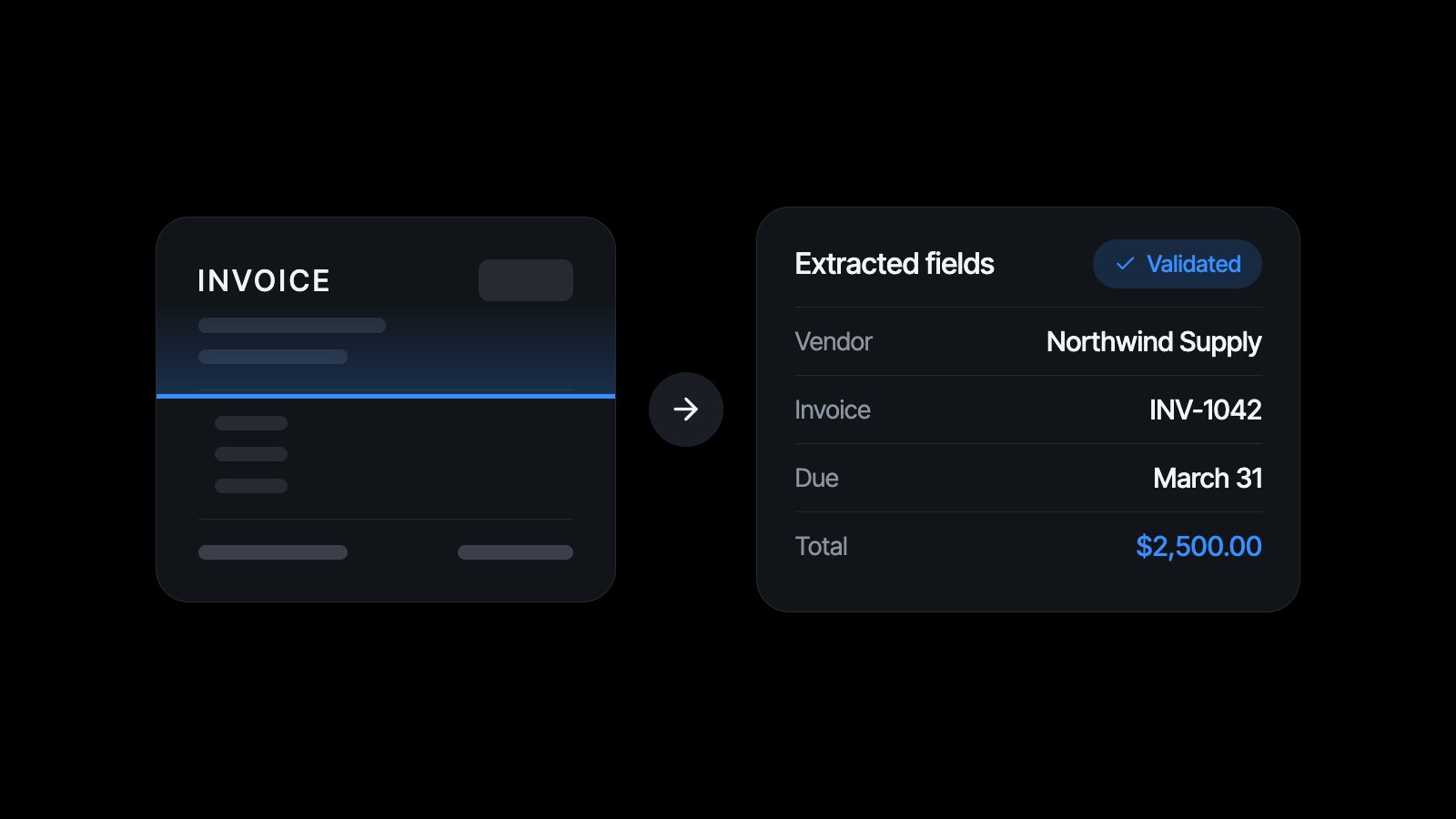
Extracts the key fields from invoices, contracts and forms, and returns validated, structured data through an API, with no templates to set up.
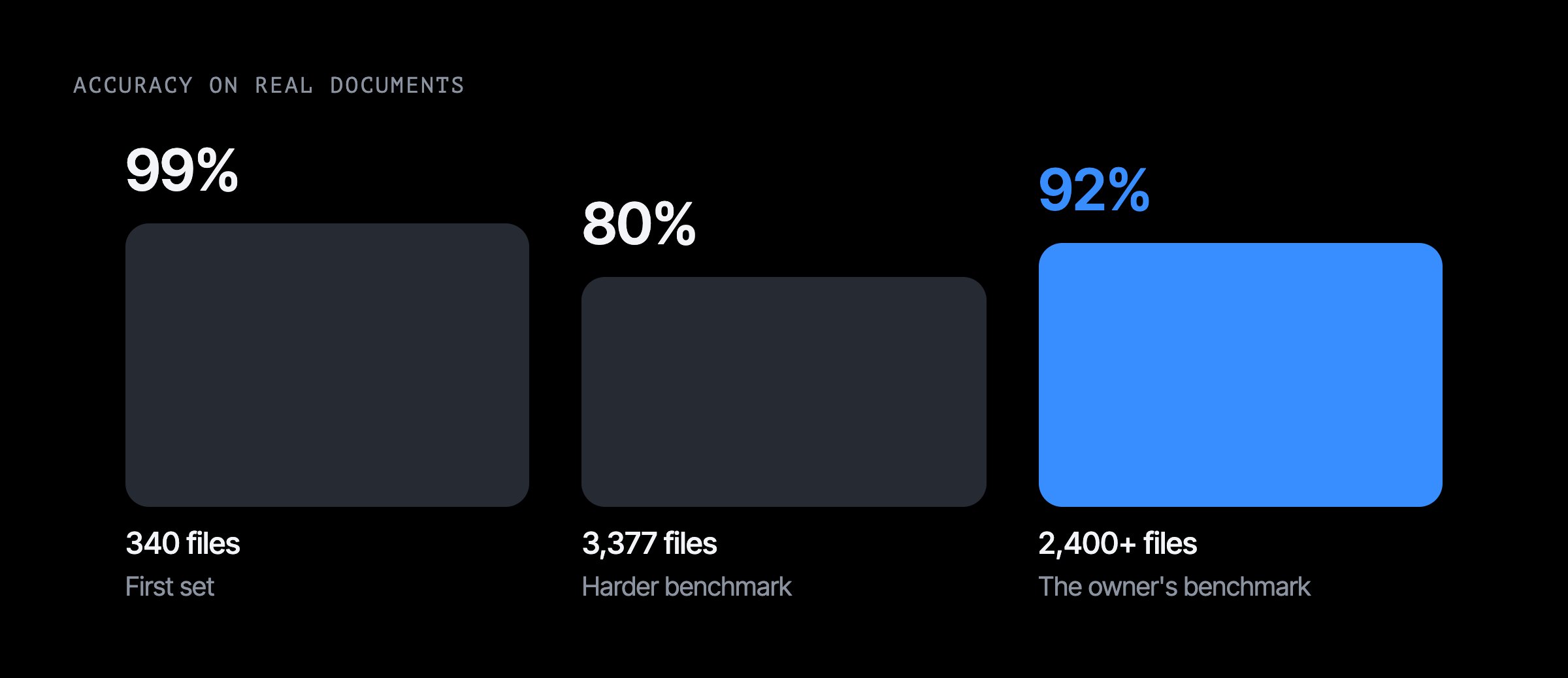
Accuracy rose from 80% to 92% on a 2,400-document benchmark, and it launched with paying clients.
Customers of a portfolio company's product needed the key fields pulled out of invoices, contracts and forms automatically, and accurately enough to trust.
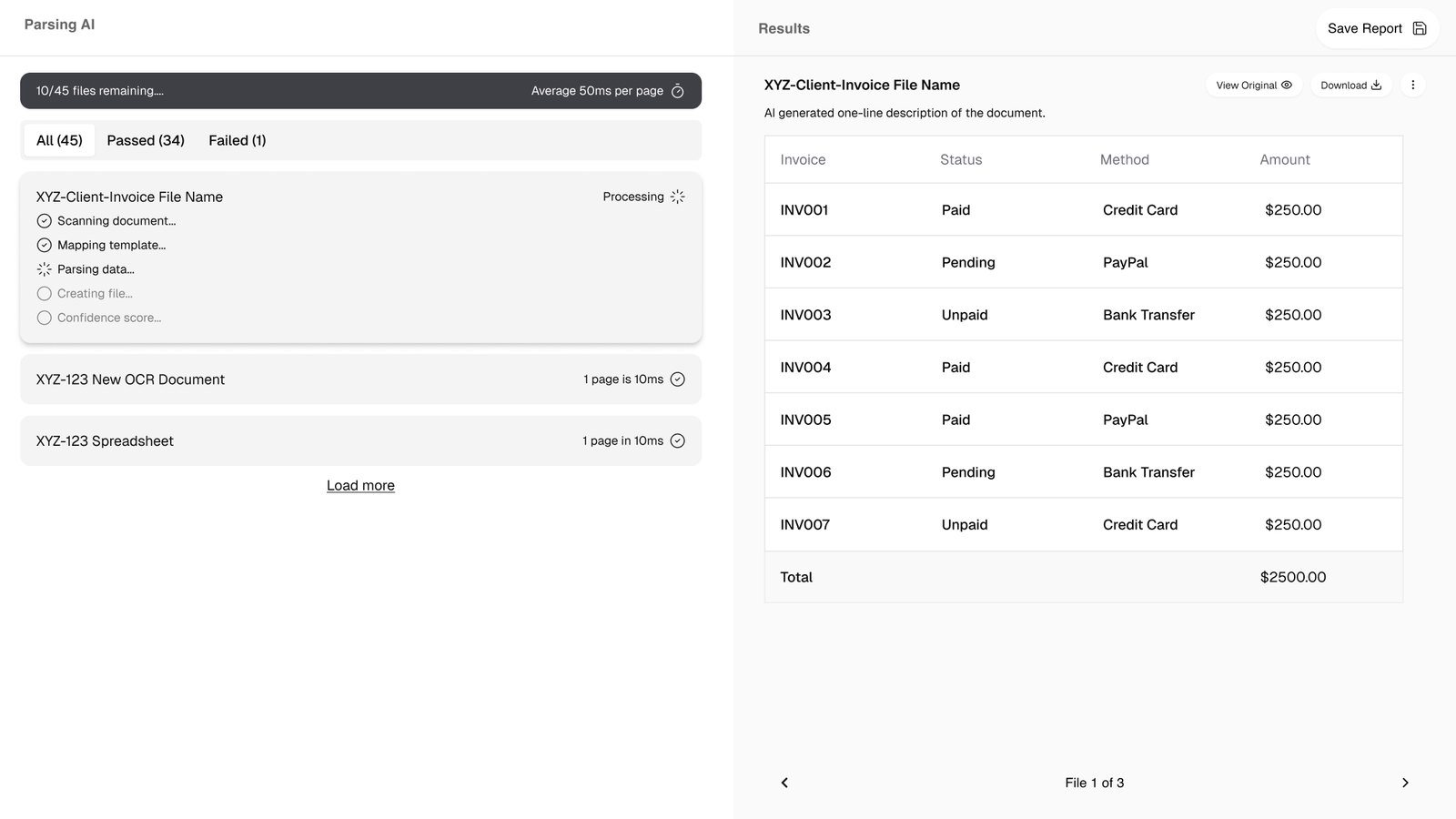
Parsing AI reads PDFs, Word and Excel files and images, combining OCR with parsing that understands each document’s structure, so it needs no templates. The output is validated, cleaned and returned as structured data through an API.
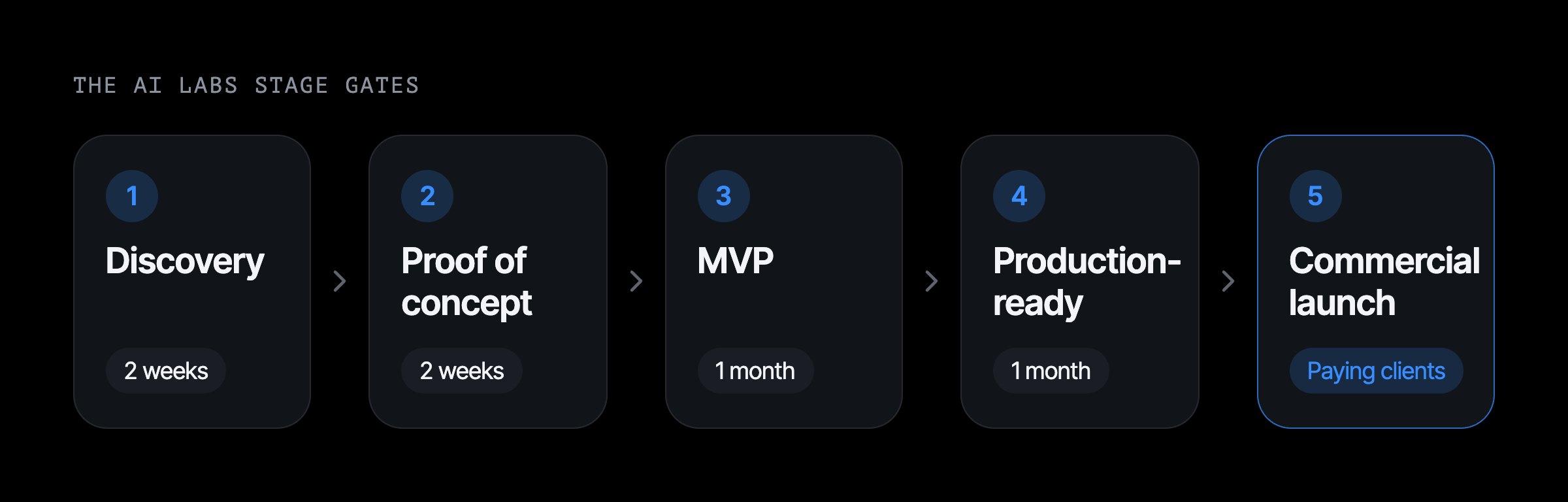
It went through the AI Labs gates: discovery, proof of concept, MVP, production-ready and commercial launch. Every round was measured on real documents, and failures were fixed by category rather than one by one.
Accuracy was 99% on a first set of 340 files, 80% on a harder 3,377-file benchmark, and then 92% on 2,400+ files, a benchmark the portfolio company's own team ran. It launched with paying clients in Q1 2026.
The first eval set is usually too friendly. Agree the bar before the build, and let the owner run the final benchmark.
 Python
 FastAPI
 TypeScript
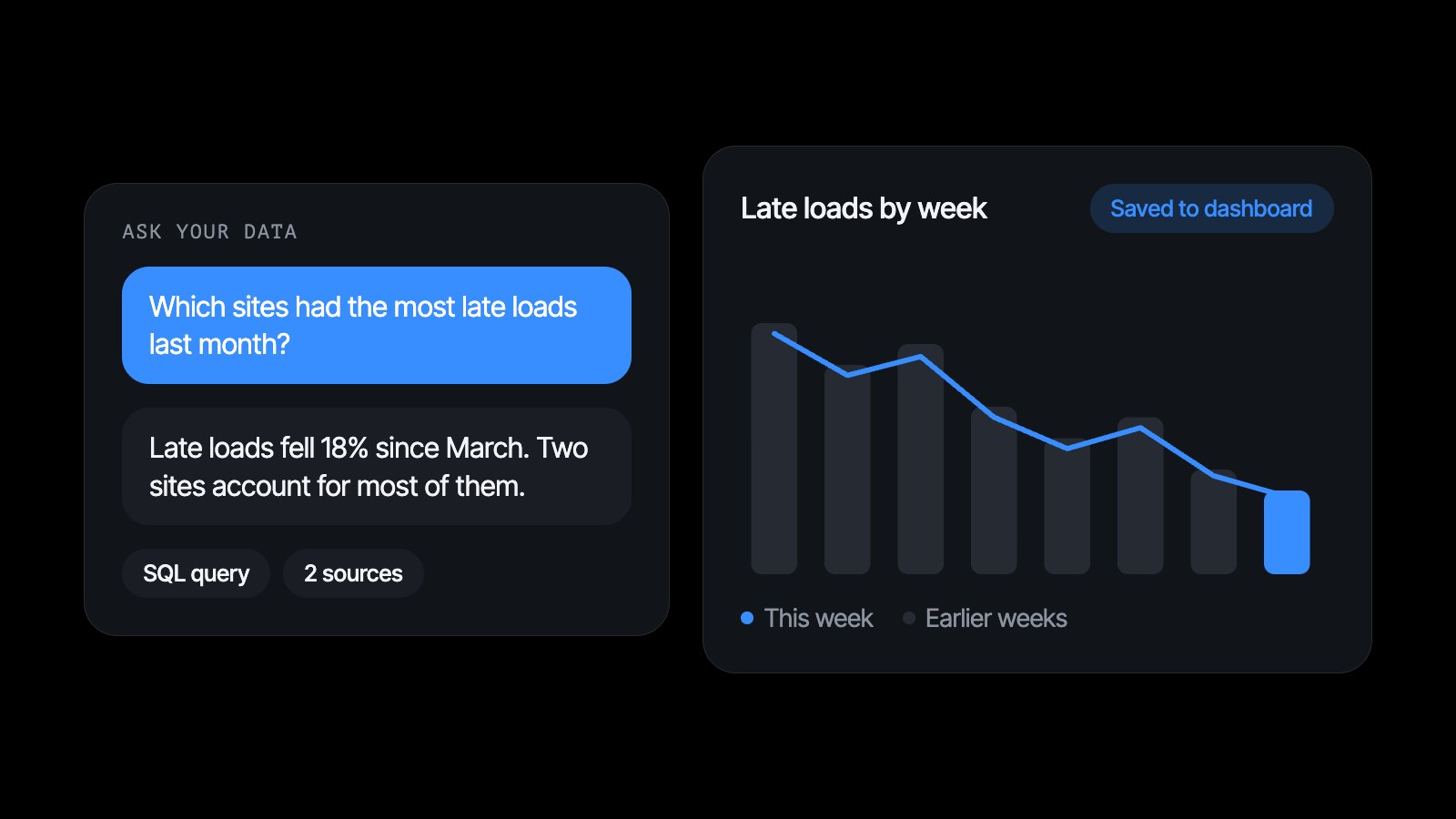
Stop searching. Start asking.
A conversational data platform: ask a question in plain English and get a chart or dashboard back from live data, without SQL or an analyst.

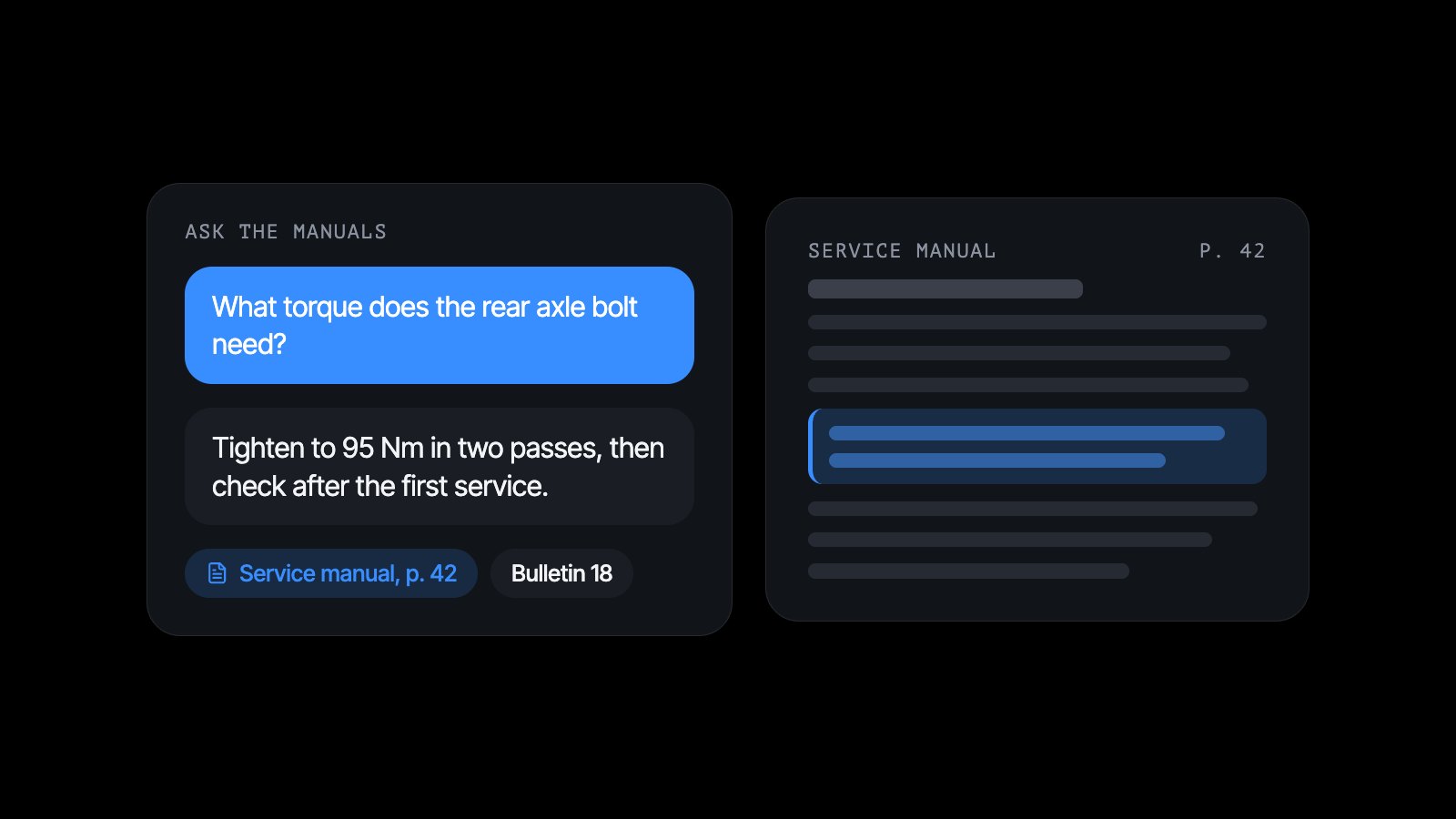
Search less. Understand more.
Chat with technical documentation and manuals, and get cited answers drawn only from approved sources.
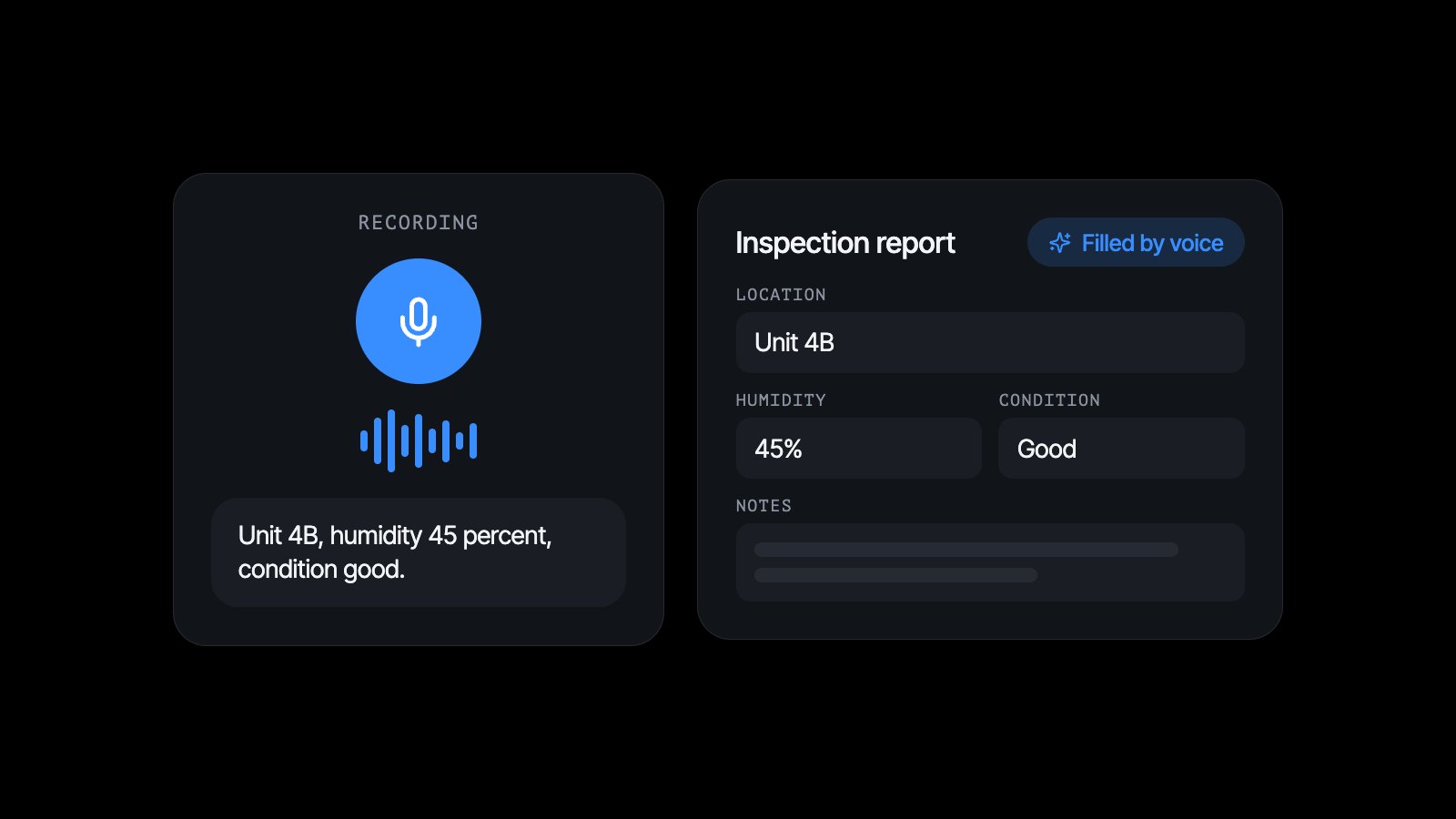
Never take notes again.
Turns voice notes, recordings and meetings into structured data, so people in the field fill in forms by talking instead of typing.
